

In this episode we learn suggestions on protecting kids from harmful food talk
-
Show notes
-
Transcript
-
Highlights
In this episode - Protecting kids from harmful food talk
In this episode - How to handle Halloween sweets and have fun with food at Halloween
Today's episode is the second of our series on the theme of helpful information if your child asks to bring someone home for tea who has different dietary requirements than your own family. Back in episode 11 we talked about some tips for hosting a child who is coeliac and today we're talking about having a child for tea who is vegan or plant-based if your family is not. For this I spoke to Paula Hallam from Plant-Based Kids UK.
Paula is a leading children’s dietitian, mum to two teen girls, author and plant based nutrition expert. She is passionate about helping families navigate the (often confusing) world of feeding children without feeling overwhelmed. Her mission is to help parents raise happy, healthy plant-powered kids, without spending hours in the kitchen! Paula has 25 years experience as a children’s dietitian, working in the NHS for 18 years in a variety of paediatric roles, including the world famous Great Ormond Street Hospital (twice!), food allergy research, consulting to health charities and providing expert nutrition advice to baby food brands.
Music "Happy Days" by Simon Folwar via Uppbeat
Today’s episode is slightly different but very timely because I am talking to Bracha Kopstick about how to protect your older children from harmful food and diet talk during the holidays. Bracha works with tweens and teens to improve their relationship with food and their own bodies in a weight neutral way.
Our families are not islands and we live in a culture of so many negative conversations about food and weight. So this episode is about how to insulate our children from the comments of other people especially at a time of year when food is the centre of so many of the get togethers. Bracha recently put out a brilliant post and guide about exactly this so she seemed the perfect person to ask.
In this episode - How to handle Halloween sweets and have fun with food at Halloween
Today's episode is the second of our series on the theme of helpful information if your child asks to bring someone home for tea who has different dietary requirements than your own family. Back in episode 11 we talked about some tips for hosting a child who is coeliac and today we're talking about having a child for tea who is vegan or plant-based if your family is not. For this I spoke to Paula Hallam from Plant-Based Kids UK.
Paula is a leading children’s dietitian, mum to two teen girls, author and plant based nutrition expert. She is passionate about helping families navigate the (often confusing) world of feeding children without feeling overwhelmed. Her mission is to help parents raise happy, healthy plant-powered kids, without spending hours in the kitchen! Paula has 25 years experience as a children’s dietitian, working in the NHS for 18 years in a variety of paediatric roles, including the world famous Great Ormond Street Hospital (twice!), food allergy research, consulting to health charities and providing expert nutrition advice to baby food brands.
Music "Happy Days" by Simon Folwar via Uppbeat
Music "Happy Days" by Simon Folwar via Uppbeat
About the guest
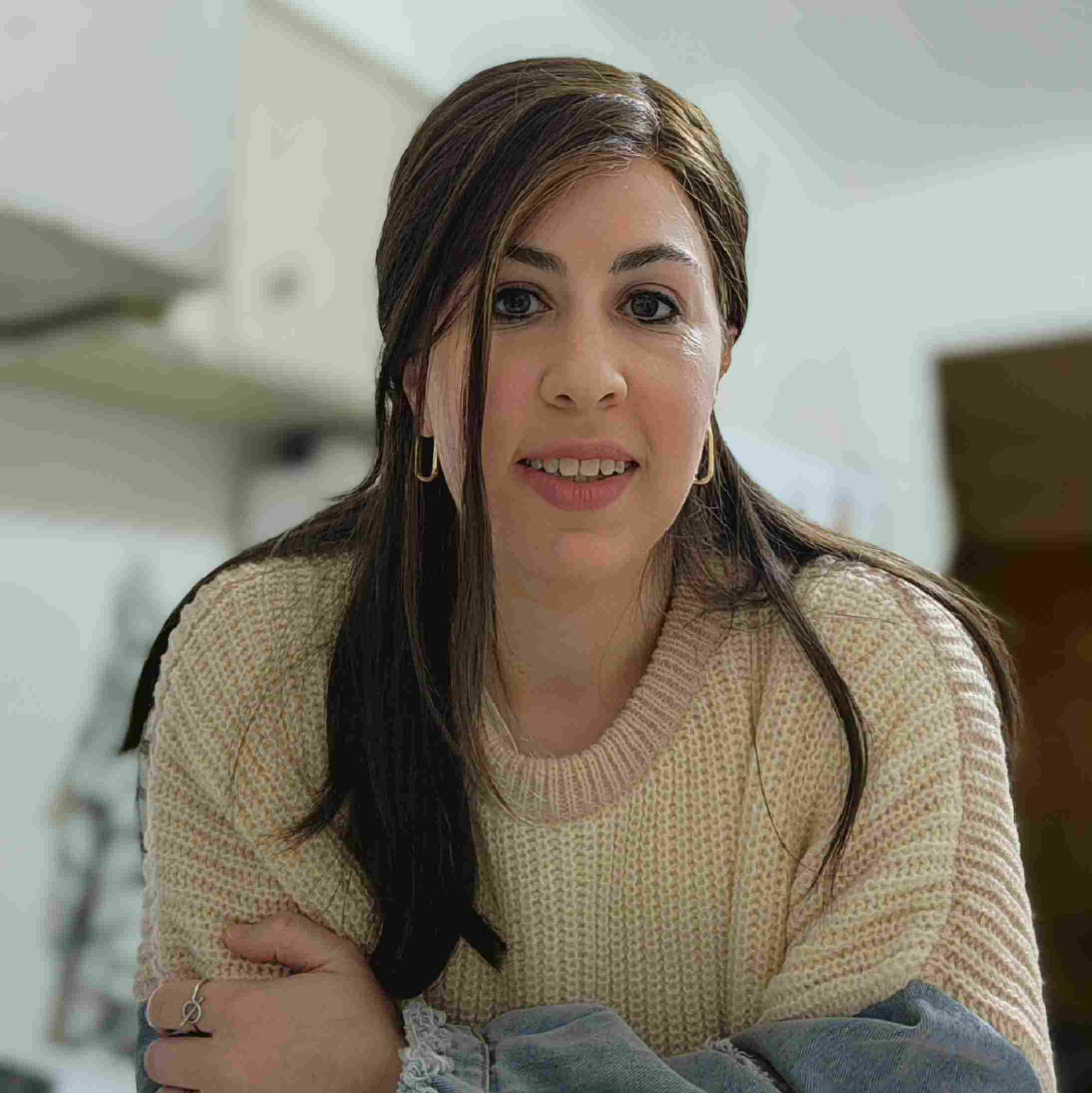
Bracha Kopstick is a Registered Dietitian specializing in adolescent nutrition, practicing with a weight-neutral approach to health. She helps children to young-adults develop healthy eating habits and a good relationship with food and body to nourish their growth and development. Through supportive and collaborative counselling, Bracha educates adolescents to feel confident and comfortable eating well, free of shame and guilt.
Useful links in this episode
Bracha's website: https://www.beekaynutrition.com
Bracha's free holiday conversation guide: https://mailchi.mp/beekaynutrition/holiday-conversation-guide
Bracha's instagram: https://www.instagram.com/adolescent.nutritionist/
Some helpful posts on this topic:
Episode Transcript - Protecting kids from harmful food talk
Joanne Roach (00:13)
Hello and welcome to the Food for Kids podcast. I'm Joanne from the Foodies.
Today's episode is slightly different but very timely because I'm talking to Bracha Kopstik about how to protect your older child from harmful food talk or diet talk during the holidays.
Bracha works with tweens and teens to improve their relationship with food and their own bodies in a weight neutral way. I've been following her for a while on socials and I found her posts very useful to challenge some of the internal chatter in my own brain. As someone who was raised between the 70s and the 90s in that swamp of low fat, heroin chic messaging, I've tried really hard as a parent not to perpetuate those ideas to my kids. But society's opinions about body size, eating habits and moral worthiness go so deep that it's a constant task to assess and filter them and I know I didn't always get it right.
We're going to have a couple of episodes on this broader topic of helping our kids to have a positive relationship with food. Next week we have an episode on how to handle holiday food overwhelm and indulgence in a way which gives kids a positive view of celebration food. And in the new year we'll have an episode with a psychologist about how we as parents can talk to our kids about food generally as they grow up to help them have a better relationship with food than we might have been given ourselves.
But our nuclear families are not islands and we do live in a culture of so many negative conversations about food and weight. So I really wanted to talk to someone specifically about how to insulate our children from the comments of other people, especially at a time of year when food is at the centre of so many of the get togethers. Bracha recently put out a brilliant post and guide about exactly this. So she seemed a perfect person to ask. So here's that interview.
Joanne (02:02)
So Bracha your work is primarily with older primary age children and adolescents, and you help them to feel confident and comfortable eating well and to be free of shame and guilt around food. I saw that you recently posted a very helpful post about how holiday gatherings are not a free pass for other adults to comment on your child or teenager's body or their food choices. What are comments that you see being levelled at kids at family parties and get togethers and what sort of effect does it have on the children you work with?
Bracha (02:35)
So there's a number. It's either I see them talking about bodies and it could be as innocuous as, you've grown so tall, or it can be talking about you filled out or you look womanly, you know, all appropriate ways of talking about kids gaining weight. Or then there's the blunt ones who just like, oh, wow, you gained a lot of weight. And then there's also talking about food, like: Why are you eating that? Or are you sure you need another portion? Things like, you need to eat something healthy before you can have dessert. Talking about food, talking about bodies, it affects kids. Like I've seen kids who on the short term just dread going to these parties. Oftentimes they'll skip them. Sometimes they'll come home and they'll just kind of binge on all the foods because they're feeling so poorly from the conversations and the party. And then more long-term, it really affects how they think about their food and how they think about their body. And turning into avoiding certain foods, trying to change their body shape and size, going into disordered eating or orthorexia can really, really spiral into some really negative behaviors, unfortunately.
Joanne (03:49)
Some of those comments, they really do have long-term effects.
Bracha (03:53)
Yeah, and especially because they're coming from, most often, well-meaning relatives or friends who have such a strong impact on our kids. You know if it's coming from their grandparent, then if they have that good relationship with their grandparent, it's going to have that much more of an impact. Or if it's coming from like that cool aunt, it's like, that cool aunt doesn't eat carbohydrates. Why am I? I wanna be like her. So because it's coming from an adult person in their life, it oftentimes has a lot more impact than just picking it up from a stranger.
Joanne (04:29)
And so what as parents can we do to try to prevent those conversations from happening in advance? Thinking now about planning ahead for, you know, we're going to the grandparents over Christmas or we know there's going to be that get together. What could we do now to try and prevent that?
Bracha (04:43)
So ideally it would be having those conversations with the adults ahead of isn't time, this isn't your first time meeting your in-laws or your parents. You know kind of what their stance is. And if you can preempt it ahead of time with being, we're trying to raise our kids as trusting their bodies around the food they're eating, or we've stopped commenting on our kids' bodies as they're reaching puberty or something. And we would really appreciate if you could limit the conversation around food and bodies yourself. So really trying to head things off ahead of time. But then, know, say there's friends or family that you weren't expecting to see there, or you don't have that sort of relationship to talk to them ahead of time. Speaking to them at the party too, know, pulling them off to the side and being, you know, that conversation is being pretty harmful to my child or we can trust our child to eat the amount they need. And also we're not limiting dessert based on the amounts of protein foods they eat. So having those conversations, trying to keep it private, I think is easiest to do. So it doesn't become this whole to do.
Joanne (05:48)
Yeah, I was going to ask really, if you sort of witness your child, somebody saying something to them, Do we step in and head that off? Do we let a child deal with it themselves or do we take them aside afterwards? What's the best way to approach it?
Bracha (06:02)
I think it's so personal and dependent on both the age of your child, how comfortable they are standing up for themselves, and kind of what the overall room temperature is like. All of those are correct, and either of those are correct. So heading off the adult probably would be most efficient with younger children. Say your child is younger, you know, maybe seven, eight or so, you might want to step in and be like, hey, that's okay. Our child is allowed to eat dessert regardless of what they've eaten so far. Maybe if your child is someone who is a bit more outspoken or a bit more confident if you have had maybe those conversations ahead of time on how to react to an adult talking about their food and maybe they want to have that opportunity tell the adult why they're fine eating the way they're eating. So again, it really depends on age, stage, and how the adult might react. So if you know that gonna be like, “I always, you know, there's nothing wrong with talking to a kid about it, that's the problem with children these days and parents”, you know, pulling them aside might be the better option.
Joanne (07:11)
You've got to think about whether or not this is going to escalate into a scene that's actually going to make your child the focus of attention for much longer than just distracting or moving it away. Yeah.
Bracha (07:20)
Exactly. Yeah, we don't have to make these into big deals. The point is we want to keep our kids safe in the moment and moving forward. So however you judge best the moment to do that, I think is the best way of doing that.
Joanne (07:36)
Okay. And in terms of skilling our primarily older children or children that have got a bit more self-confidence skilling them up to be able to bat those conversations off for themselves. I mean, we can't be with them all the time. So how do we go about, you know, having those conversations with them to say, if this stuff comes up, here's how you can go about it.
Bracha (07:47)
Yeah, giving them those heads up is, again, they've been to their relatives' homes before. They maybe have experienced some things. And just giving them that heads up, being like, hey, we're going over to our grandparents' house. And you know that grandma has had years of struggling with her food and her body. And it might come up that she'll want to comment about your food. And just know that you do not have to engage with her. You do not have to have that conversation. And you are perfectly in your respectful rights to walk away from those conversations. if you want, you can have those conversations and we can role play some of those if that feels right for you. Or you can just, you know, come up with some quick, respectful brush-offs or conversation changes that allows them to kind of nope out of the conversation.
Joanne (08:44)
I saw that you have a conversation guide that people can download and I had a look at that and there's good suggestions in there for if this comes up, then you could try this. So that might be quite a helpful thing for some of the children.
Bracha (08:56)
Yeah, yeah, my guide there to help parents to have these pre-emptive conversations with their kids to give them some words on how to navigate these situations. Because sometimes we want to empower our kids to have them and have that confidence to talk back to an adult, but we ourselves don't know exactly how to do it because maybe we're people pleasers or it's just the relationship that we've had with our parents or our aunts or our siblings for years and years. And we ourselves don't know how to have those conversations best. So a little bit of a guide to help you have those conversations with your older kids.
Joanne (09:38)
Great, I'll put a link to that in the show notes. I thought it was really helpful. let's just say that we've tried this and it hasn't worked. somebody's had a conversation that we know has hurt our child's feelings or our child comes to us and says that somebody's spoken to them in a way that's hurt their feelings. What's the best way for us to support our child after the fact when people have commented on their eating or their bodies?
Bracha (09:42)
Yeah, and think this is, I think really the crux of it because so many times, and it's happened to me myself, where we've gone into a party with all those good intentions. We know exactly what the comments are gonna be and we know exactly how we plan on saying it. And then we just kind of freeze in the moment. And what I often work with my clients in these situations is how can we recentre it for ourselves? It's not about now talking back to that person or educating that person, it’s about how do we make ourselves feel better about what that person said. We don't want that comment bouncing around in our head or bouncing around in our kids' heads for it to then have some negative effect.
So kind of combating the comment for ourselves, I think is a really important next confident in our non-diet, non-body changing movement. So when you're at home and talking to your kids and being like, you know, I heard some diet talk or some people were talking about the fact that they aren't eating certain foods, you know, how does that feel for you or what were your thoughts or what are you thinking, you know, about those conversations? And explaining again and modelling again why that's not something that you're doing in your home or why that's not appropriate for who are developing and teens who are growing and why we need to be nourishing ourselves and why all bodies are good bodies and that we all come in different sizes and shapes. Because we want to make it just that that's kind of the norm and that's what is the culture in our homes so that it kind of really seeps into our children's bones so that even when they're confronted with people saying things, diet culture, seeing things on their social media, they just know that it's not the right thing, that that's not for them.
Joanne (11:54)
So in the same way that sometimes you'll come away in the car from a visit and the person's house you've gone to, they let their kids run riot or they let their kids play on 18 plus games or they all smoke or there's like something in that household that like doesn't make them bad people, but it's not a thing that we do in our home. And when you come out, you tend to kind of say, that was a bit weird when they did this thing or we wouldn't do that thing. So treating food culture and how we perceive our bodies in the same way of like different families have different ways of doing it but we don't have to bring this home with us.
Bracha (12:27)
Totally. Yeah, I think that's such a great comparison because we do so easily differentiate different parenting or household norms from one home to the other. But when it comes to diet and bodies, it oftentimes feels more convoluted than that. having that clear, like, yeah, that's for their home, not for us, I think is a great analogy there.
Joanne Roach (12:58)
I hope you found that helpful to give you some moral support for supporting your child through these food-heavy occasions coming up.
I particularly liked how Bracha emphasised to give ourselves grace when we can't always stand up for our boundaries in the moment on some of these sensitive topics. As with so many aspects of parenting, we may want to push back on things that don't align with our values, but when the person we would be pushing back against is a loved one, or someone who we know is likely to blow up any pushback into a scene, it's really hard and sometimes we do swallow our determination or just freeze in that moment.
So I love that Bracha pointed out that what we do before and afterwards is also important. It can really help our child to believe that some conversations and comments are okay to be ignored and can be water off a duck's back. Not everything that a beloved grown-up says has to be treated as something that they must absorb or consider. Adults have their own issues with food and health, but we don't have to take theirs on board for ourselves. Gently reinforcing our family's values over time can do a lot to minimise harm from these messages and help kids to know when unhelpful words just don't apply to them.
But if this episode has got you all fired up to help your children think through some of these situations in advance, or you want to help yourself think these situations through, I do recommend Bracha's Holiday Guide, which I will link to in the show notes. It's totally free. I'll also link to her website and a couple of her helpful posts on this topic. Her socials are definitely worth a follow for giving yourself a bit of a palate cleanse from all of the food rules type content out there.
I'll be back with the next episode later in the week with some practical ideas about leftovers and reducing waste during the holidays. So I do hope to see you then, but in the meantime, happy eating.
Episode Highlights - Protecting kids from harmful food talk
Chapters
00:00 Introduction
02:02 Interview with Bracha Kopstick
02:35 Harmful comments about food and bodies around kids
04:29 How to reduce harmful comments about food and weight
05:49 What to do when harmful comments occur
07:36 How to help children to fend off unhelpful comments
09:42 When a comment has hurt feelings - what to do after the fact.
12:57 Summary and outro
That was the episode where we learned suggestions on protecting kids from harmful food talk
0 comments