

In this episode we learn suggestions on plant based weaning
-
Show notes
-
Transcript
-
Highlights
In this episode - Plant based weaning
In this episode - How to handle Halloween sweets and have fun with food at Halloween
Today's episode is the second of our series on the theme of helpful information if your child asks to bring someone home for tea who has different dietary requirements than your own family. Back in episode 11 we talked about some tips for hosting a child who is coeliac and today we're talking about having a child for tea who is vegan or plant-based if your family is not. For this I spoke to Paula Hallam from Plant-Based Kids UK.
Paula is a leading children’s dietitian, mum to two teen girls, author and plant based nutrition expert. She is passionate about helping families navigate the (often confusing) world of feeding children without feeling overwhelmed. Her mission is to help parents raise happy, healthy plant-powered kids, without spending hours in the kitchen! Paula has 25 years experience as a children’s dietitian, working in the NHS for 18 years in a variety of paediatric roles, including the world famous Great Ormond Street Hospital (twice!), food allergy research, consulting to health charities and providing expert nutrition advice to baby food brands.
Music "Happy Days" by Simon Folwar via Uppbeat
In today's episode I'm talking to Ailsa McHardy of Little Nutrition about the guidelines for weaning a baby in a plant based family.
In January information about plant based diets are everywhere and I wanted to ask Ailsa what the current best advice is for parents who want to raise their children with less or no animal products.
In this episode - How to handle Halloween sweets and have fun with food at Halloween
Today's episode is the second of our series on the theme of helpful information if your child asks to bring someone home for tea who has different dietary requirements than your own family. Back in episode 11 we talked about some tips for hosting a child who is coeliac and today we're talking about having a child for tea who is vegan or plant-based if your family is not. For this I spoke to Paula Hallam from Plant-Based Kids UK.
Paula is a leading children’s dietitian, mum to two teen girls, author and plant based nutrition expert. She is passionate about helping families navigate the (often confusing) world of feeding children without feeling overwhelmed. Her mission is to help parents raise happy, healthy plant-powered kids, without spending hours in the kitchen! Paula has 25 years experience as a children’s dietitian, working in the NHS for 18 years in a variety of paediatric roles, including the world famous Great Ormond Street Hospital (twice!), food allergy research, consulting to health charities and providing expert nutrition advice to baby food brands.
Music "Happy Days" by Simon Folwar via Uppbeat
Music "Happy Days" by Simon Folwar via Uppbeat
About the guest
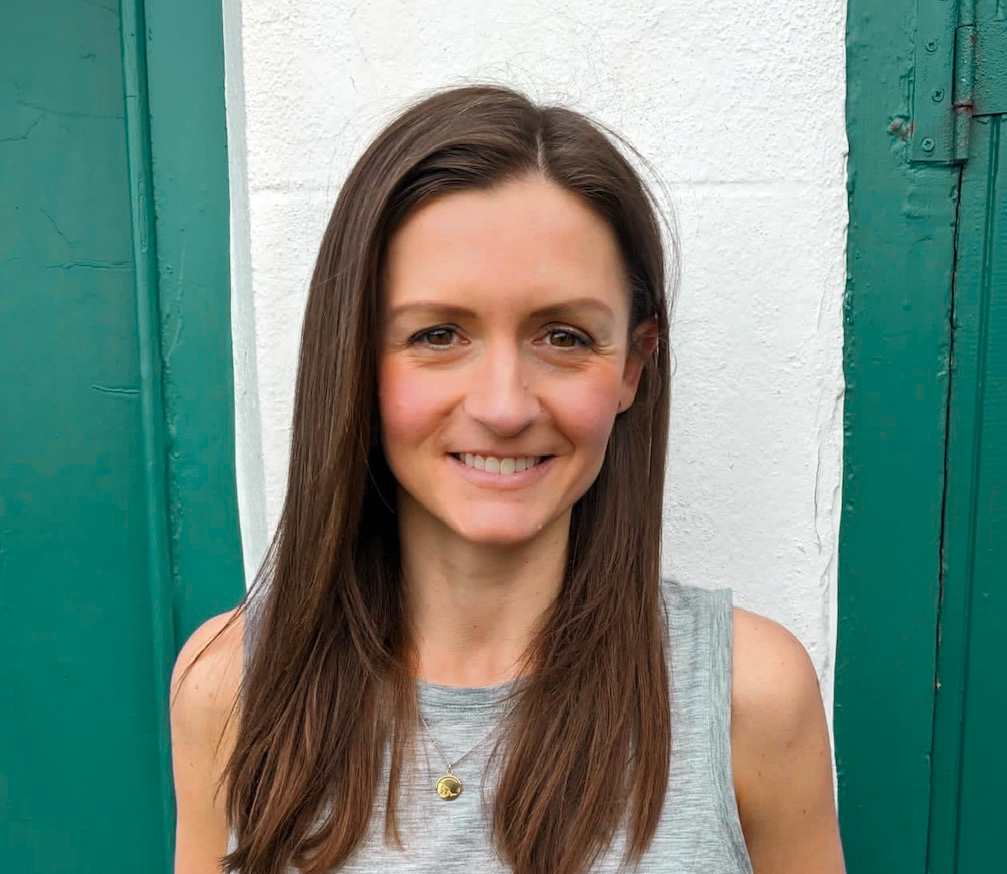
Ailsa is an expert Paediatric Dietitian with 15 years of experience across NHS, academic and private settings. She is the founder of Little Nutrition, a freelance children's nutrition consultancy which supports families with weaning, fussy eating, food allergies and tummy symptoms. Ailsa has 2 little ones of her own and brings lots of real life experience to her practice.
Useful links in this episode
Ailsa's weaning support programme: https://www.littlenutrition.co.uk/packages/pricing
Ailsa's FREE Ultimate Guide To Weaning Ebook: https://littlenutrition.kit.com/1cc84d30e0
Ailsa's instagram: https://www.instagram.com/littlenutritionwithailsa/
The VeChi studies:
- Weder S, Hoffmann M, Becker K, Alexy U, Keller M. Energy, Macronutrient Intake, and Anthropometrics of Vegetarian, Vegan, and Omnivorous Children (1–3 Years) in Germany (VeChi Diet Study). Nutrients. 2019 Apr 12;11(4):832.
- Alexy U, Fischer M, Weder S, Längler A, Michalsen A, Sputtek A, Keller M. Nutrient Intake and Status of German Children and Adolescents Consuming Vegetarian, Vegan or Omnivore Diets: Results of the VeChi Youth Study. Nutrients. 2021;13(5):1707. doi: https://doi.org/10.3390/nu13051707.
LEAP study (re early peanut exposure for allergy prevention):
Episode Transcript - Plant based weaning
Joanne Roach (00:13)
Hello and welcome to the Food for Kids podcast. I'm Joanne from the Foodies.
We're into January now and it's impossible to watch or read anything without an advert for something to do with food and diet. So here on the podcast, I'm trying not to add to that noise by overloading with advice or information about more things to try or change or do. One of the things that you will see everywhere in January is information about plant-based diets because it's Veganuary. So I thought that for today's episode, I would put out an interview with Ailsa McHardy of Little Nutrition about weaning on a plant-based diet. That way, if you're not in a household with babies or a bump on the way, you can just listen out of interest, but you won't have anything new to add onto your food to-do list in an already food-noisy month. But if you are expecting or have a wee one or know someone who does, it will be timely.
So Ailsa and I had a really interesting chat about plant-based weaning for kids, including some information about the up-to-date guidance on early introduction of nuts to prevent allergy development. So here's that interview.
Joanne Roach (01:17)
Okay, so Ailsa, a lot of people now are really interested in plant-based diets and they're really on the rise, whether that's quite strict vegan diets through to vegetarian and everything in between, excluding some or all animal products. If you have a young baby and you're plant-based yourself and you want to wean onto a plant-based diet, is that safe to go straight from breast milk or formula milk onto a plant-based diet?
Ailsa (01:42)
Yeah, so it's a great question and absolutely I think it's something that is gaining much more interest and there's lots of different reasons obviously why people choose to adopt more plant-based diets or fully vegan diets. So things like ethics and the environment and health concerns and that kind of thing. the first thing to be really clear about is absolutely a completely vegan or a plant-based or a vegetarian diet can absolutely be adequate for babies, can support good growth and good development in babies and children and in people of all ages. So they're absolutely safe, but require careful planning, just in the same way as I would say to have a really nourishing diet of any dietary pattern needs to be thought about. So we need to think about where different nutrients are coming from. Are we getting enough the macronutrients and of the But yeah, I think it seems sensible for families to wean their babies onto the kind of diet that they want them to eat. So if it feels natural for families who are currently themselves eating a plant based or vegan diet or whatever exact version of that it is that they follow, would be fully supportive of them weaning a baby onto kind of diet that they want them to have. And we have got now, I think in previous we maybe haven't had lots of evidence to reassure us that it's safe. But we have in the last few years had the publication of the VeChi studies from Europe, which are big cohort studies that follow up children are vegan, vegetarian and omnivorous over good periods of time. And what they demonstrate actually is that all of those can be perfectly healthy. You see some differences as you would expect. for some vegan children have got better blood markers of certain things, they've got lower lipid levels of certain lipids, so their blood lipid profiles are better. Children that eat meat to maybe grow a little bit taller, all growth is within normal parameters. Children that are vegan and vegetarian tend to have healthier they grow through childhood. So there's definitely little variations in that data, but very reassuring that all of those can be perfectly healthy. So I think for me as a children's healthcare professional and a parent whose children eat a predominantly plant-based diet, I think it's very reassuring that I can be completely confident that if I think about this diet well, plan what I'm giving them, I can support them and give them everything they need to thrive the parameters of a plant-based diet.
Joanne Roach (04:05)
Okay, that's really good to know. I'll get the details of that study off you and put those show notes. That'd be really interesting to read. So I think because most of the information we get about weaning is obviously because most people are omnivorous, about weaning onto a diet for omnivores. I think we've got a kind of an intuitive understanding of starting off with sort of soft fruit and vegetables working their way through and that some foods are more difficult, more chewy, more challenging and so on later on. But how does that translate into a plant-based version? are there stages that you need to take it in? How would you actually practically go about weaning onto a plant-based diet?
Ailsa (04:43)
Yeah, so it's very individual and will depend on whether your families want to use a more spoon feeding approach or a more led sort of finger feeding approach or more commonly a combination of both, which is generally what works really well. But you would start in general with kind of softer fruits and vegetables, getting some bitters taste and early is really good to help try and set the child's taste preference away from very sweet things. actually one of the things that's really good about plant-based diets is that the protein sources in them are in some ways easier textures for little ones to have. So I'm sure a lot of people, they've had children and have been through weaning before, they will relate to babies and young children often not liking the texture of meat and that they chew it. And I hear lots of people from omnivorous families where they say they just can't get them to eat meat.
And actually the textures of plant-based proteins are often much softer and perhaps a bit more weaning friendly. So things like well-cooked pulses, so mashed down beans or chickpeas or lentils, things like hummus and nut butters are really, really good textures for weaning. And then things like tofu can be used as a finger food, but are really nice, soft, squashy texture for children.
So yeah, I think starting with fruits and vegetables very generally then progressing on to some more foods that have got good amounts of protein in there and making sure that we prioritise healthy fats as well. So often in plant-based diets might tend to actually be a lack of healthy fat. We're not having enough fat and fat's a really important nutrient for especially for young children. But adding things like a bit of olive oil or using plenty of nuts and seeds and that kind of thing can really help to make sure that that weaning diet is really nourishing. And I think always that it's really important that general advice for all children when they start weaning for all babies would be starting with fruits and vegetables. And like I say, those bitter tastes for some babies, they actually need more calories quicker. So vegetables and fruits are great for lots of different reasons for micronutrients, for learning about different flavours, but they will often be really low in calories depending on how they're some babies they might need a much more nourishing option. So things like with added nut butter and ground nuts and fortified soy milk and that kind of thing can be really helpful and plant-based yogurts and that sort of thing.
Joanne Roach (07:05)
When my children were little there was a lot of advice about not introducing nuts early on whereas now people are tending to say that unless you know there is a risk in your family that you need to get advice about it's quite good to introduce nuts early on isn't it?
Ailsa (07:18)
Yeah, definitely. So we've got really convincing evidence now from something called the LEAP study, which was published a number of years ago, actually shows that in high risk children, you introduce peanut early during weaning, so as one of their first weaning foods, you dramatically reduce the risk of them developing nut allergies. So absolutely, we've gone through these spells. And I think weaning advice really does this, that if you asked your mum or your gran, what were they told about weaning? I know from asking mine, it's totally different to what we were told. So you'll have people that say, well, you we were told to wean them at eight weeks old, or we were told to wean them at eight months old, or over time, these guidelines and things have really changed.
But with the allergen introduction thing, we've got really good evidence, for peanut and also for egg, that to minimize the risk of allergy, that introducing those things early really dramatically reduce the risk of allergy. But also for babies that are being weaned onto a plant-based diet or any diet, regardless of the dietary pattern really, like nuts and smooth nut butters and things are really good, really healthy, really nourishing foods to introduce to babies. So yeah, for families that are worried about it, I would always encourage them to get some advice because I would say it's much better - get some advice, get some support and a clear plan and get those things introduced than it is to just not do it because you're too scared because those are the babies that will in a year or two years be much more at risk of having developed an allergy. And also for families where there's existing allergy in like a sibling or in a parent or something like that. So you want to introduce allergens to the baby but you're worried because of the people in the house or you're worried that the risk might be higher to that child, I would definitely say get some support with that as well because there's a really good chance that you can help avoid a baby developing allergies time is really of the essence so making sure that those things happen at the right time is really important.
Joanne Roach (09:13)
That's really good because nut butters are such a powerhouse aren't they?
Ailsa (09:16)
Yeah, definitely. mean, I would say in my house anyway, they kind of turn anything into a meal. So you take a bit of toast and put nut butter on it and that's I think traditionally the finger foods that we use in weaning, you know, things like maybe pieces of fruit or vegetable or bits of rice cake or breadstick or whatever. Actually, if you dip them in something that's really nourishing. So hummus or nut butter or something like that, you turn it into a really good way to get lots of healthy fats and calories and babies as well as helping to prevent the development of food allergies. So they're really good across the board.
Joanne Roach (09:51)
Children just like dipping I mean adults like dipping things but children love dipping things right?
Ailsa (09:56)
Yeah, definitely. It'll often be that the breadstick or whatever is just used as a spoon. might not get eaten. But can, I think, also help with when they're learning that like hand to mouth feeding skill. That if I bring this to my mouth, I can actually taste something on that or oh, that's got a flavor or that, you know, that gives them a bit of feedback and will probably encourage them to keep trying that.
Joanne Roach (10:19)
And is there anything that you need to avoid during the weaning period in terms of a plant-based diet? Is there anything that you would say to be cautious about?
Ailsa (10:28)
Nothing specifically, so it would really depend and come down to what families exactly what they wanted the weaning diet to look like. So I would be really encouraging, really supportive any kind of dietary pattern that families wanted to wean on to. So if it was that they wanted a predominantly plant based diet, but that they included a little bit of dairy or a little bit of egg, that's absolutely fine. Or a plant based diet that includes a little bit of fish, that's absolutely fine. Or a completely vegan diet, that's absolutely fine. So it's really about, I think, families taking a little bit of time before weaning starts to work through what do we actually want the weaning diet to look like?
Because I think we're always, as parents, we're so kind of bombarded with information, whether that's in magazines or friends or family or marketing or the way that products are packaged in the shop that you walk past something and think, that says age six months plus, maybe that's what I'm supposed to be feeding them. Should I be buying that? Is it okay to buy the yogurt that's over on the other side of the supermarket that isn't labelled as being a baby yogurt or doesn't come in a pouch? that okay? So I think we're so open to all of these external influences that can just create quite a lot of noise and make it all really confusing.
So I think I would always encourage families and definitely how I work with families in my weaning programme is to make a plan of like, where are you now? Where do you want to be and what are all the things that influence that? What do you want the weaning diet to look like? Where do you want your baby's diet to be when they're 10 months or 12 months? What are you aiming for? So there's not anything specific that needs to be avoided. general guidance for weaning in the UK would be there's certain types of fish that we would recommend avoiding, but they're things like marlin are probably not usually used as weaning foods anyway, and also honey, which obviously on a vegan diet children wouldn't be having, but if they were a bit more flexible approach to plant-based eating, then they may have honey, but honey should ideally not be given until a year of age, just because there's an increased risk of a specific infantile infection.
But other than that, I would say during weaning, I would be really encouraging of getting in as many different flavours and textures as possible. And there's this understanding that weaning food should be bland or that babies can't have spices or whatever. And actually, all of those things are great for babies. So if they like them, if they're part of your normal diet and there are these flavours and textures and tastes that you want baby to be exposed to and to grow up to eat then it's absolutely fine to get them in. So don't worry that foods need to be bland. We obviously need to be careful of salt. So we would generally try and avoid any added salt even just really simple things like cooking a family meal where you don't add salt to the pan, but you then take out a bit for baby and then add extra salt to your portions for adults or for older children. Just strategies that help to make it more manageable so you're not having to prepare various different versions of things I think is really helpful and I definitely found going through weaning myself things like using salt free or low salt stock cubes was really helpful so I could make big pans of whatever it is I wanted to make and then season mine in the bowl so that the kids portions had had less of that. But yeah again I think it's being intuitive with things not overthinking it or trying to take a step back and think less about these things can sometimes make it a bit easier. Because every weaning journey is individual and should be. And it's really about as parents, what do you want it to look like?
Joanne Roach (13:54)
I found that very interesting and I'm heartened to hear that there is more evidence being gathered now about different approaches to weaning and different family eating styles. And I love that Ailsa talked about working backwards from what you want your child's eating to look like later on and starting the weaning journey to be directed towards that with intention. That echoes the conversation I had with Rachel Mujanovic in episode 53 about cultural family food. And that really the standard guidelines are great for advice on things like salt and sugar levels, safety and texture considerations but that we don't have to all start on the same one size fits all weaning plan with the exact same ingredients and then try and divert our children later to our family style of eating. Instead, we can just take the factual elements of the guidelines and apply those into a weaning plan that will set our children on a path that ends with them eating the same foods as the rest of our family. So I love her approach of taking some time to think that through and research what will work while you're getting ready to wean, but then shutting out all the conflicting noise once you've started so that you can concentrate on being more intuitive to your baby and the rhythm of your family.
Ailsa mentioned some interesting studies in that interview, two studies on plant-based versus omnivorous children and another on peanut introduction for allergy prevention. As Ailsa said, you should always take proper advice if you have any concerns about your child's likelihood of allergic reactions, but the newer guidelines are a lot more hopeful. I will link to all three of those studies in the show notes, as well as Ailsa's weaning guides and Instagram links.
I'll be back on the next episode with a quick roundup of five easy meal ideas to use some January seasonal foods. So I hope your first week of January goes as smoothly as possible and I'll see you on the next episode. But in the meantime, happy eating!
Episode Highlights - Plant based weaning
Chapters
00:00 Introduction
01:17 Is plant based weaning safe?
04:10 How to start with plant based weaning
07:05 Early introduction to nuts during weaning and allergy
09:25 Using dips and spreads to boost nutrition
10:19 Things to avoid or remember when weaning
13:54 Summary and outro
That was the episode where we learned about plant based weaning.
0 comments