
In this episode we learn about ultra processed foods and kids.
-
Show notes
-
Transcript
-
Highlights
In this episode - Ultra processed foods and kids - what are they and how bad are they?
In this episode - How to handle Halloween sweets and have fun with food at Halloween
Today's episode is the second of our series on the theme of helpful information if your child asks to bring someone home for tea who has different dietary requirements than your own family. Back in episode 11 we talked about some tips for hosting a child who is coeliac and today we're talking about having a child for tea who is vegan or plant-based if your family is not. For this I spoke to Paula Hallam from Plant-Based Kids UK.
Paula is a leading children’s dietitian, mum to two teen girls, author and plant based nutrition expert. She is passionate about helping families navigate the (often confusing) world of feeding children without feeling overwhelmed. Her mission is to help parents raise happy, healthy plant-powered kids, without spending hours in the kitchen! Paula has 25 years experience as a children’s dietitian, working in the NHS for 18 years in a variety of paediatric roles, including the world famous Great Ormond Street Hospital (twice!), food allergy research, consulting to health charities and providing expert nutrition advice to baby food brands.
Music "Happy Days" by Simon Folwar via Uppbeat
Today’s episode is the first of a two parter talking about ultra processed foods. I wanted to have some information about this topic at this time of year because there is so much food talk around, and so much resolutions and setting food goals and for parents there is the added weight of being responsible for your child’s health as well as their long term relationship with food.
One of the things that will often come up on lists of food goals, especially for parents, is to eat less processed foods. Over the last couple of years the conversation about ultra processed foods, or UPFS, has been impossible to escape. There seems to be a new press release, documentary or book every week about UPFs and how bad they are. But then you will also see dietitians and food campaigners pointing out that not all processed foods are bad. And you might have a child who is very attached to some processed foods, or a busy household where those foods are very helpful. So how on earth do we know what to believe?
A lot of the wonderful children’s dietitian’s that I work with and follow have produced some great content about this and how the focus on UPFs is not only unhelpful but can be potentially harmful. One of those, Maeve Hanan, who is a dietitian we met on episode 60 talking about food freedom, recently produced an excellent article and multi part video series, going through lots of different aspects of UPFs, including what the research says, how to understand it if you’re not a scientist, how to decipher what influencers are saying about them, and what you need to know for your family shopping list. So I asked her to come on and talk to parents who are worried about this.In this episode - How to handle Halloween sweets and have fun with food at Halloween
Today's episode is the second of our series on the theme of helpful information if your child asks to bring someone home for tea who has different dietary requirements than your own family. Back in episode 11 we talked about some tips for hosting a child who is coeliac and today we're talking about having a child for tea who is vegan or plant-based if your family is not. For this I spoke to Paula Hallam from Plant-Based Kids UK.
Paula is a leading children’s dietitian, mum to two teen girls, author and plant based nutrition expert. She is passionate about helping families navigate the (often confusing) world of feeding children without feeling overwhelmed. Her mission is to help parents raise happy, healthy plant-powered kids, without spending hours in the kitchen! Paula has 25 years experience as a children’s dietitian, working in the NHS for 18 years in a variety of paediatric roles, including the world famous Great Ormond Street Hospital (twice!), food allergy research, consulting to health charities and providing expert nutrition advice to baby food brands.
Music "Happy Days" by Simon Folwar via Uppbeat
Music "Happy Days" by Simon Folwar via Uppbeat
About the guest
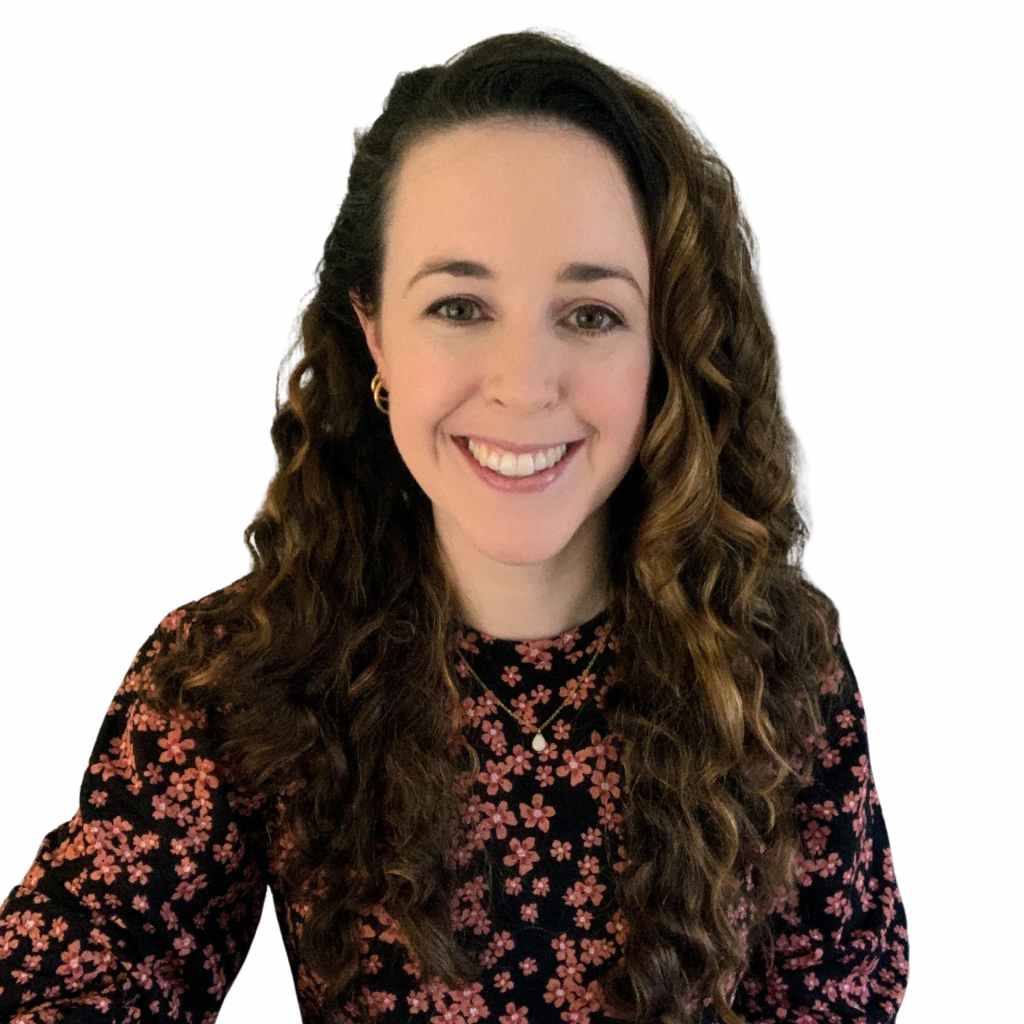
Maeve Hanan is a Registered Dietitian who specialises in disordered eating and food freedom. She’s the founder of DieteticallySpeaking.com, a platform offering evidence-based information, practical tools, courses, and one-to-one support to help people build a healthier, more peaceful relationship with food. Maeve advocates for a compassionate, weight-inclusive approach to nutrition, and is passionate about cutting through the online nutrition BS by sharing clear, evidence-based and practical messages.
Useful links in this episode
Maeve's website: https://dieteticallyspeaking.com/
Maeve's masterclass in January about reducing food noise and making peace with food in 2026: https://dieteticallyspeaking.com/product/eating-with-ease
Maeve's article about ultra processed foods: https://dieteticallyspeaking.com/unpacking-ultra-processed-foods/
Maeve's Instagram: https://www.instagram.com/dieteticallyspeaking
Episode Transcript - Ultra processed foods and kids - what are they and how bad are they?
Joanne Roach (00:13)
Hello and welcome to the Food for Kids podcast. I'm Joanne from the Foodies. Today's episode is the first of a two-parter talking about ultra processed foods. I wanted to put out some information about this topic at this time of year because there is so much food talk around and so much resolutions and setting food goals and for parents there is the added weight of being responsible for your child's health as well as their long term relationship with food.
One of the things that will often come up on lists of food goals, especially for parents, is to eat less processed foods. Over the last couple of years, the conversation about ultra processed foods or UPFs has been impossible to escape. There seems to be a new press release, documentary or book every week about UPFs and how bad they are. But then you'll also see dietitians and food campaigners pointing out that not all processed foods are bad. And you might have a child who's very attached to some processed foods or a busy household where these foods are very helpful. So how on earth do you know what to believe?
A lot of the wonderful children's dietitians that I work with and follow have produced some great content about this and how the focus on UPFs is not only unhelpful, but can potentially be harmful. One of those, Maeve Hanan who is a dietitian that we met on episode 60, talking about food freedom, recently produced an excellent article and multi-part video series going through lots of different aspects of UPFs. So I asked her to come on and talk to parents who are worried about this.
In today's episode, we're going to cover what UPFs are and what the research says about them. And then in the second episode next time, we're talking about whether and how they can fit into a healthy overall diet pattern and how to set goals about family eating overall. So let's start with the first part.
Joanne Roach (01:59)
Okay, Maeve, there's so many videos and news stories around about ultra processed food, and most of us are thinking we should be reducing them or cutting them out of our family's food. But before we talk about what the research says, I think sometimes we're not always sure what ultra-processed means as opposed to just processed foods. So what sort of foods are we eating in a normal family menu that includes those two categories?
Maeve (02:25)
First of all, just to say almost everyone is confused about what an ultra processed food is that includes researchers, scientists, nutrition professionals, because there isn't just one definition. There is kind of the main most popular definition, which is the Nova definition. But even then that can be interpreted in different ways.
So I'll give some indication of what it is, but just to say, you know, nobody is entirely clear on what an ultra processed food is, or if they are, there's a lot of people who disagree with them about what that is and how that can be interpreted. So it's a very murky, confusing area. So basically the NOVA definition, so this is based on this research group. They kind of coined the term UPF or they've popularized it anyway.
So they have these four categories, when it comes to how processed a food can be. group one is whole foods, basically. group two is processed culinary ingredients. so like butter, oils, sugar, salt, and things that are used with the, unprocessed foods. Group three are processed foods. So these can contain additives that prolong shelf life, or improve the food safety. but they're not as processed as the next group up - ultra processed food. So a processed food can be something like fresh bread or tinned beans, canned veg, salted nuts, smoked salmon. whereas ultra processed foods, there's more processing involved. So they're usually described as foods that are made mostly or entirely from substances derived from foods and additives. So with little intact whole But again, that can be interpreted in so many ways. But some examples of those foods are the foods that people would expect when they think about ultra processed foods, like, you know, sweets and crisps and pastries. But also it includes like shop bought bread, fortified breakfast cereals, like whole grain breakfast cereals, shop bought hummus, fish fingers, fortified soy milk, whereas unfortified soy milk, which doesn't contain any it's not ultra processed. So basically it doesn't define the nutritional value of a food because there's plenty of nutritious foods that fall into that ultra processed food category. And then there's other foods like certain types of shortbread or ice creams, or even certain kinds of crisps that actually don't meet the definition of ultra processed foods. but aren't foods that are like encouraged in high amounts for overall health.
Joanne Roach (04:50)
Yeah, I guess it's very confusing because I think like when I've seen those four categories, usually give you an example, which is incredibly clear cut. So they might say, you know, group one is unprocessed wheat. Group two is flour. Group three is homemade bread and group four is supermarket bread or something like that. And that sounds, you can kind of look at that and kind of go, okay, I can see the difference between that. But then you get into it. Supermarket bread could be in both categories. A pizza could be in both categories. There's a lot of things where, in fact, some of them could be in the minimally processed categories, as well as the ultra-processed categories, depending on how you've made it, what you've put it together with. And for somebody who just wants to go and buy let's say a decent loaf of bread for their family that is affordable they might not even know even looking at the labels which category they're looking at.
Maeve (05:40)
Yeah, if anyone listening to this is feeling confused about ultra processed foods, you're not alone and it is really confusing. And I just, think a real message that I'll probably come back to a few times during this episode is I don't think the category is useful when it comes to prioritizing health and relationship with food. I think it confuses things. As I said, there's plenty of examples of nutritious ultra processed foods and it doesn't define how nutritious the food is, but what it does do is it makes us think UPF equals bad. So it really locks us into that black and white, all or nothing way of thinking about food, which I've seen with so many people I work with, so many people who reach out to me is massively their food anxiety. It's triggering eating disorders and disordered eating for some people. Now obviously, there's lots of factors in play there, it's absolutely damaging people's relationship with food.
And I really do worry for children in particular if they're absorbing some of those messages about these foods are good, these foods are bad, because obviously we've had those messages for years. know, I think of like clean eating is a good example where it was very much these foods are good, these foods are bad, these are clean, these are therefore unclean. But that didn't the layer of legitimacy that UPFs have because we have like doctors and researchers and, you know, some public health institutions and things kind of promoting this message as well which makes it seem like, therefore that must be true, but it's way more nuanced. And I really think when it comes down to like, what do we feed ourselves? What do we feed our families? I don't think it's helpful or particularly evidence-based lens to use.
Joanne Roach (07:16)
OK, so speaking of the evidence, now that we've got a rough idea of how murky these categories are, but we have got a rough idea of what we're talking about, what does the research actually say about UPFs and health?
Maeve (07:24)
Okay. So most of the research we hear about when it comes to ultra processed foods are observational studies. So these are studies that follow groups of people over time and see, you know, what are they eating and then what are the diseases they and therefore like, is there a link or a potential link between those foods and these diseases? So these observational studies often do find an association between a higher intake of ultra processed foods and a greater risk of things like type two diabetes, heart disease, certain types of cancer, and in some cases, all cause mortality. So that sounds really scary. if I eat these foods, I'm really increasing my risk of all of these diseases But it's really important to say that this kind of research, although it's important and it absolutely has a place, all it can ever tell us is a possible link or what we would say is correlation, rather than a definite link or causation. we're following people over time in this way, there are so many factors at play. eating UPF isn't the only thing going on for these people. So it might be that are other factors that are impacting this and studies have actually evidence that there are other factors at play here. So basically we can't say from this observational research that ultra processed foods cause any particular disease, but we can say that there's a link between ultra processed foods and these outcomes are a possible link.
Joanne Roach (08:51)
Okay, so that’s like people always used to say that like a few glasses of wine a week was better than not drinking at all because previously the research had said that people who drank a small amount had better long-term outcomes than people who didn't drink at all until they looked at the fact that the reason a lot of the people in the "didn't drink at all" category didn't drink was that they were ex-alcoholics or they had other health problems which meant that they couldn't drink. Once they took those people out of the equation, actually not drinking at all came out better than moderate drinking. is it kind of the same thing here that like, although we can see that there are links between what people eat in general and their health outcomes in general, you can't definitely say that somebody who eats a lot of processed foods, is ill because of those processed foods. They may be eating those processed foods because they're ill and actually can't cook very well. And there might be other compounding factors or they're on a low income or they live in a poor environment. There's lots of reasons why they might also be ill and eat ultra-processed foods.
Maeve (09:49)
Yeah, exactly. And I think that's a great example that you used in terms of alcohol. And then they looked into it further and there were these like confounding factors at play. And it's absolutely the same with ultra processed foods. So we know social economic status. you know, people's financial situations and their access to food and education and, you know, overall privilege and other lifestyle factors like diet quality. obviously movement, diseases that people already have, know, genetics, so many things come into play here. But one study that did find a link, so this large study, this NutriNet Sante cohort found a link between ultra processed foods and increased mortality risk. But then they removed the people who already had pre-existing illness and that link disappeared. So very similar to that example that you went through. So this suggests that ultra processed foods can be a marker for other risk factors. So as you said, you know, the people in this case, may have been using ultra processed foods because they already have chronic illness or because you know, that's what they have access to. And there are all these other factors related to maybe their socioeconomic status that have increased their risk of disease. it shows us it's absolutely not as clear cut as ultra processed foods worsens your health. It may actually be that eating ultra processed foods is a marker for other things that are going on in people's lives.
Joanne Roach (11:12)
Got you. So obviously, you know, the point of this podcast is not to send out a message that let's all go off and eat nothing but ultra processed foods for the rest of our lives. But are there ever any good things about processed foods that get overlooked when people are kind of talking about them in this demonising kind of way?
Maeve (11:30)
Obviously there's the convenience piece. Sometimes, you know, it's just essential. we need convenient options and there are absolutely convenient and nutritious ultra processed foods. There's, you know, price, access again, based on people's, know, cooking skills and things that can be just much more realistic. People with, you know, chronic illness or people who are really time poor, you know, they can be an absolute lifeline but they can also help with things like food safety, food hygiene. Processing a food is like doing anything to it. like, you know, chopping a food is processing, but when we're talking about UPFs, we're talking about more like industrial processing, but that can include things like, pasteurizing and, adding in additives as well. So I know additives are getting a really bad rep, especially on social media at the moment, but like fortifying foods with nutrients - that's adding additives to it. the example I gave earlier of soy milk without added calcium isn't ultra processed, but when you add in the calcium, it's now ultra processed. And we see that in other examples as well, mentioned whole grain cereals, if we think about, you know, like Weetabix or, or bran flakes and they have added, you know, iron and B vitamins and things that's processing. And that is, you know, part of what makes them an ultra processed food. so there's absolutely benefits like nutritionally that we get in this ultra processed food category.
For some people as well, for a lot of people, it can help with variety. you know, having access to things that, you know, maybe aren't always seasonal or, that you're maybe unlikely to prep and cook for yourself. And satisfaction as well is a key part of it. So to have a healthy relationship with food, it's important to like enjoy our food and feel satisfied. know, even though like the less nutritious ultra processed foods can absolutely have a place within an overall healthy balanced diet.
And if we're not demonizing those foods, then they'll have less control over us. And you can kind of take it or leave it more because you can listen to your body and eat in a way that feels good for you. So kind of allowing them from that satisfaction piece is really important as well.
Joanne Roach (13:38)
So I hope that's been helpful to think that maybe the categorisation of foods in this way is not as helpful for real families trying to decide what to buy in the supermarket as it is for researchers trying to draw boundaries in a study. It will hopefully have helped to make you feel a bit less fearful that including any processed foods in your family's diet is a guaranteed one-way ticket to ill health. And that maybe we shouldn't be as hung up on whether a particular food has undergone any processing or not so much as the overall value of that food in our overall diet and lifestyle.
I like Maeve's suggestion that thoughtful additions to meals can be a more helpful way to spend our food related cognitive energy instead of just trying to restrict what can often be quite confusing categories of foods.
In the next episode, we're continuing this conversation and talking about how being more relaxed about some processed food in the diet can actually help with being more consistent and about whether or not we should set goals about processed foods in our resolutions.
If you like Maeve's approach, she's running a 60 minute masterclass on the 29th of January about how to quiet the mental chatter and reclaim your confidence around food. So if you feel like your brain's got 50 tabs open all the time about what you should and shouldn't eat and you're tired of constant food guilt and attempts to be good that never stick, head over to her link in the show notes to join that masterclass.
Between now and then there'll be the second episode on UPFs. So I hope to see you then. And in the meantime, happy eating.
Episode Highlights - Ultra processed foods and kids - what are they and how bad are they?
Chapters
00:00 Introduction
01:59 What exactly are ultra processed foods?
07:16 What does the evidence say about UPFs and health?
11:30 Can processed foods ever offer benefits?
13:37 Summary and outro
That was the episode where we learned about ultra processed foods and kids.
0 comments