

In this episode we learn about whether to set goals about ultra processed foods..
-
Show notes
-
Transcript
-
Highlights
In this episode - Do we need goals about Ultra Processed Foods?
In this episode - How to handle Halloween sweets and have fun with food at Halloween
Today's episode is the second of our series on the theme of helpful information if your child asks to bring someone home for tea who has different dietary requirements than your own family. Back in episode 11 we talked about some tips for hosting a child who is coeliac and today we're talking about having a child for tea who is vegan or plant-based if your family is not. For this I spoke to Paula Hallam from Plant-Based Kids UK.
Paula is a leading children’s dietitian, mum to two teen girls, author and plant based nutrition expert. She is passionate about helping families navigate the (often confusing) world of feeding children without feeling overwhelmed. Her mission is to help parents raise happy, healthy plant-powered kids, without spending hours in the kitchen! Paula has 25 years experience as a children’s dietitian, working in the NHS for 18 years in a variety of paediatric roles, including the world famous Great Ormond Street Hospital (twice!), food allergy research, consulting to health charities and providing expert nutrition advice to baby food brands.
Music "Happy Days" by Simon Folwar via Uppbeat
Today’s episode is the second of our two parter talking about ultra processed foods. If you haven’t listened to the first part, I would urge you to go back and listen to that as some of the information in that will help you to understand today’s discussion more. Today we are going to talk about whether being more relaxed about some processed foods in the diet can actually help with being more consistent, and whether we should set goals about processed foods in our resolutions or not.
In this episode - How to handle Halloween sweets and have fun with food at Halloween
Today's episode is the second of our series on the theme of helpful information if your child asks to bring someone home for tea who has different dietary requirements than your own family. Back in episode 11 we talked about some tips for hosting a child who is coeliac and today we're talking about having a child for tea who is vegan or plant-based if your family is not. For this I spoke to Paula Hallam from Plant-Based Kids UK.
Paula is a leading children’s dietitian, mum to two teen girls, author and plant based nutrition expert. She is passionate about helping families navigate the (often confusing) world of feeding children without feeling overwhelmed. Her mission is to help parents raise happy, healthy plant-powered kids, without spending hours in the kitchen! Paula has 25 years experience as a children’s dietitian, working in the NHS for 18 years in a variety of paediatric roles, including the world famous Great Ormond Street Hospital (twice!), food allergy research, consulting to health charities and providing expert nutrition advice to baby food brands.
Music "Happy Days" by Simon Folwar via Uppbeat
Music "Happy Days" by Simon Folwar via Uppbeat
About the guest
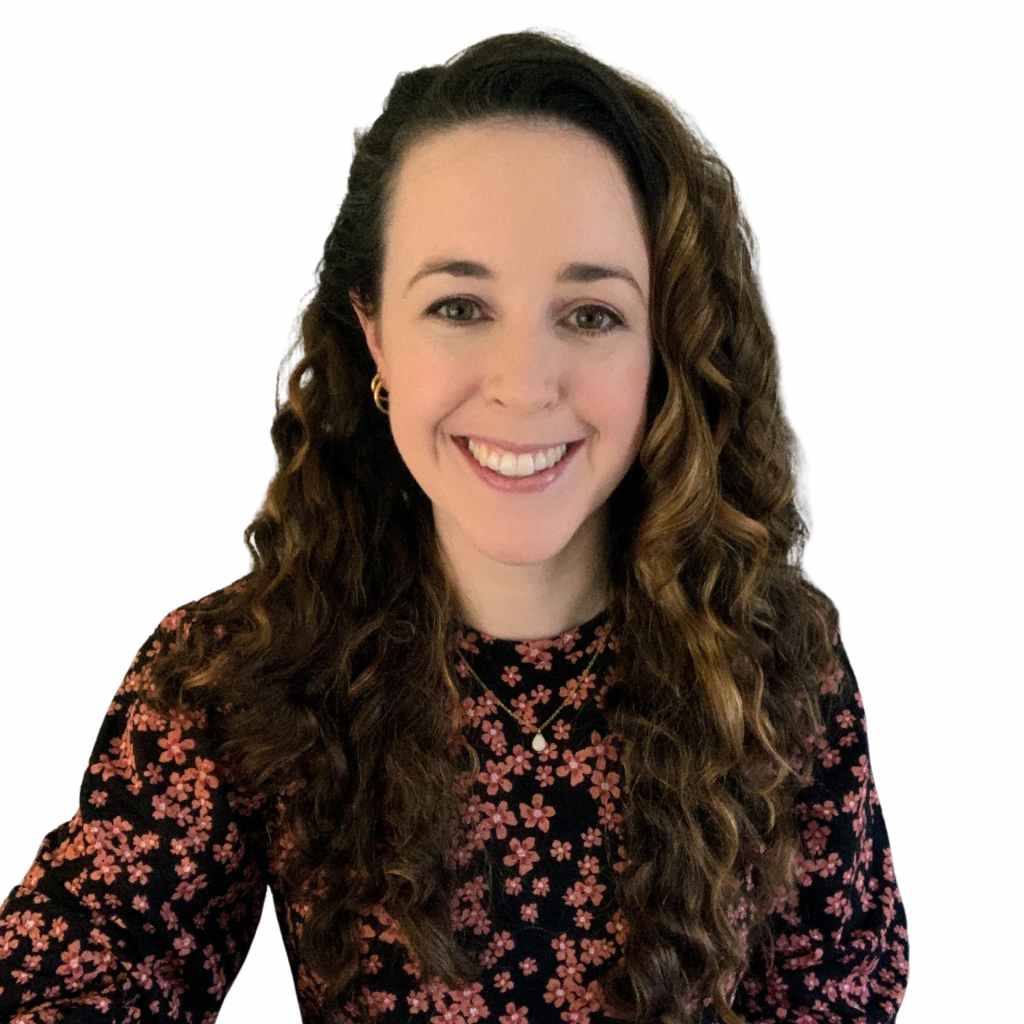
Maeve Hanan is a Registered Dietitian who specialises in disordered eating and food freedom. She’s the founder of DieteticallySpeaking.com, a platform offering evidence-based information, practical tools, courses, and one-to-one support to help people build a healthier, more peaceful relationship with food. Maeve advocates for a compassionate, weight-inclusive approach to nutrition, and is passionate about cutting through the online nutrition BS by sharing clear, evidence-based and practical messages.
Useful links in this episode
Maeve's website: https://dieteticallyspeaking.com/
Maeve's masterclass in January about reducing food noise and making peace with food in 2026: https://dieteticallyspeaking.com/product/eating-with-ease
Maeve's article about ultra processed foods: https://dieteticallyspeaking.com/unpacking-ultra-processed-foods/
Maeve's Instagram: https://www.instagram.com/dieteticallyspeaking
Episode Transcript - Do we need goals about Ultra Processed Foods?
Joanne Roach (00:14)
Hello and welcome to the Food for Kids podcast. I'm Joanne from the Foodies. Today's episode is the second of our two parts of talking about ultra processed foods. If you haven't listened to the first part, I'd urge you to go back and listen to that as some of the information in it will help you understand today's discussion a bit more.
Today we're talking about whether being more relaxed about some processed food in the diet can actually help with being more consistent with your health goals and whether we should even set goals about processed food in our resolutions or not. So let's get straight into it.
Joanne Roach (00:48)
So Maeve, we were talking about how the idea of whole foods good, processed food bad can often be too black and white and that processed foods can have a role to play in a busy family life and a healthy relationship with food. A lot of people listening will still want to strive towards a more whole food cook from scratch lifestyle, but then many of them find it's quite difficult to keep up consistently and they can often end up feeling like they're failing. So can an overall thoughtfully balanced diet that still allows space and some grace for processed foods also be sometimes easier for people to maintain?
Maeve (01:20)
Yeah, you know, when I'm talking about ultra processed foods, being able to be part of a nutritious diet, that's not just my opinion. Like there is research that backs that up as well. There was a recent study and it's I think the best designed randomized control trial I've seen on ultra processed foods. it was a bit longer and bigger than most trials in this area. and it was conducted in a home setting. So people could live their life and just kind of order their food. Either they were on a minimally processed diet or an ultra processed diet, based on which group they were in. And then they switched over.
So what this study found, was mainly about kind of weight loss and health markers. What would happen if you're eating minimally processed or ultra processed and the minimally processed group did lose more weight. So they lost about a kilogram more over eight weeks and their triglycerides improved as well more in their blood, but those on the ultra processed diet. So the ultra processed diet, it's still met healthy eating guidelines. Both of these diets met the eat well guide guidelines. The ultra-processed group still lost weight, still met those guidelines. And interestingly, that group, their cholesterol improved more and their glucose improved more.
And what I think is really significant is nobody dropped out of the ultra-processed food group, whereas 20% dropped out of the minimally processed group. So think about that. That's people whose meals are being directly delivered to their house. It's, know, taking away that prep, that burden, like a lot of the mental load. You have the pressure that I'm in this study, so kind of extra motivation to comply with this. and even still 20% couldn't stick with it within that context over eight weeks. So just think how realistic is that for most people who won't be getting the meals actually delivered and just, know, you're ticking off a menu, how much more unrealistic that is to, maintain, you know, lifelong.
So really what I think is, interesting from that study is that there were still benefits of the ultra processed diet. It still was nutritious. It met the healthy eating guidelines. It was more sustainable and you know it led to those improvements as I'd mentioned. And I just think that's a good example of how it isn't black and white when it comes to like whole foods is always better than ultra processed.
And you know, there's other, other studies have found similar things that you can design diet that is nutritious and has a high portion of ultra processed foods. or there are studies around, from scratch and how, it's not always the case that the meals that are cooked from scratch are always more nutritious. It depends on obviously like what the meals are and what they're made up of. So yeah, it's just definitely not as black and white as UPF's equal bad.
Joanne Roach (04:00)
I was going to ask that really, because I think, you know, if we if we followed the messages online, we would probably assume that always cooking from scratch is always the best outcome. But that question of adherence, is the label that they use for people sticking to something, Our ability to actually carry on with eating that we think is good for us emotionally, spiritually, physically, financially, our ability to continue that is surely as important as the actual content of it and where it came from.
If you're a parent listening to this and it's the time of year where people start thinking about what they're going to do this year and things they're going to do better this year. So if people are looking at what their family's food is going to look like this year, should goals about reducing processed foods be part of that equation at all? Or is there a way of looking at processed foods as part of their diet that you would recommend is a more healthy way of looking at it?
Maeve (04:56)
I wouldn't be recommending focusing on ultra processed foods or making any specific goals around that. As I've said, you know, we can't even clearly define what they are. It's so confusing. And there isn't clear-cut evidence that this whole broad category needs to be restricted, in order to benefit health. So I would really take that pressure off yourself. And I know it's in the news. I know it's all over social media. It's hard to avoid. But if possible, I would try to not put that unnecessary pressure on yourself.
What I would be encouraging is take a step back, look at the big picture, yourself a pat on the back for all the good things you're doing. Like if you're listening to this podcast, you're obviously prioritizing this, you're informing yourself, trying to follow evidence-based, helpful, non-triggering people on social media if you're on there. But yeah, take that step back, look at the big picture, think about overall wellbeing. So, you know, health as defined by the World Health Organization includes physical, mental and social wellbeing.
And like, what are you, you and your family's priorities you look at it in that way? If it is, okay, we want to think about food particularly, then will be around, you know, having access to nutritious foods for the kids, but also promoting a healthy relationship with food. Because, you know, there is a real risk of on food fears, food rules. If processed foods are something in the household that are kind of banned or restricted, especially if they're spoken about in that way, but even if they're just kind of not available and it's like, okay, well why is food so different in my house than when I go to my friends or, when I go to a party or, it can become apparent to kids in different ways as well.
I would be focusing on, okay, how do we make a positive food environment in the household? So that would be things like, you know, not talking about diets, not food shaming, not body shaming, just being neutral about food, you know, trying to have interactions around food. And that could absolutely include, you know, cooking together. Like that can be a great thing.
And just to be clear, I'm not anti cooking from scratch. Obviously that there's lots of benefits to that. But you also don't have to put the pressure on yourself that every single thing we eat needs to be cooked from scratch. Trying to have meals together focusing on foods that we enjoy and you could think about like nutritious additions. So maybe it's, like to try and eat maybe a little bit more oily fish this year, or we'd like to add in a bit more veg, a bit more variety, you know, some more whole grains. If there are certain gaps you feel in your family's diet from a place of addition rather than restriction, then, you know, that can be a good thing to do again, as long as it's not a rule, as long as it's can only eat, know, brown bread and never have white bread in the house, you know, that kind of thing, as long as there's flexibility with it. And it's coming from that place of addition rather than restriction. But always bringing it back to that big picture and promoting that overall healthy relationship with food.
Joanne Roach (07:41)
So, so to give an example of that, if your family loves a supermarket lasagna, you know, there's a lasagna you particularly like, but it is on paper, definitely processed, probably ultra processed, but it's a nice lasagna. Everybody loves it. Lasagnas are time consuming to make. There's a lot of stages involved. There's a lot of pans involved. There's a lot of electricity or gas involved. You know, they're beautiful, but they can take a long time to prepare. So if you would previously have sort of thought, I need to make our own lasagna more because we like lasagna, but I don't want to keep buying it from the supermarket. But then what you end up doing is you make it twice and then it's too much effort and you end up not eating lasagna for weeks and then still going back to the supermarket one and feeling guilty about it. And all those meals that you could have had where you were happily eating lasagna and enjoying it. And this was a thing that everybody liked and no one had a fussiness about it. instead, maybe keep that lasagna, but add onto it that every time we have lasagna, we have a salad on the something. So that it's kind of, still have this, we enjoy it, we don't feel guilty about it. We have that and we add some extra things on the side. Is that the sort of thing you mean?
Maeve (08:43)
Yeah, 100%. That's a great example.
Joanne Roach (08:45)
Okay, so parents who are listening to this, they're probably listening to this because they're trying to make sure that they're not only serving their child good food now in the moment and during their childhood for their physical development, but they're also hoping that when they grow up and leave home and they're in charge of their own food, they have a healthy relationship with food. So I think we kind of know at this time of year that there's a lot of diet talk around that we want to not be passing on to our children. But how can the discussion around UPFs really relate to that. Is that something we should be sort shielding our children from?
Maeve (09:17)
Yeah, I really think it is. and just to say as well, it's so understandable if you're in that place where you're feeling anxious about ultra processed foods and you're thinking like, this is the best thing for my family to avoid this. And you're putting so much time and effort into trying to avoid it, but potentially falling into that cycle of feeling like on and off the UPF wagon, so to speak. And I see a big overlap with that and diets, having a black and white view on something, viewing something as good, something as bad, feeling great when you're trying to do the good thing, but it's never sustainable and then feeling awful when you're kind of falling off that wagon, so to speak. So what we need to do is have no wagon to speak of. So there's no rules and restrictions around it.
Particularly because, like the little ears are always listening and they pick up on so much, even if it's not explicitly said. And it's a diet rule at the end of the day. So if they're picking up on messages of this is good, this is bad, or even, you know, my parents seem happy when I eat these foods and unhappy when I eat these foods, that can absolutely be internalized and can play into, you know, relationship with food longer term. It's something, you know, the first thing I do with my one-to-one clients is we go through their timeline and their history and their relationship with food. And obviously early eating experiences are a major thing in how our relationship with food develops. And not to put too much pressure on parents because you're doing your best and there's loads of outside influences as well. But to empower you really that there's so much that we can do to help to promote a healthy relationship with food for kids.
And when it comes to ultra processed foods, it's just, it's an unhelpful focus, as I've said, it's an unnecessary focus, but there is the real risk that that can be internalized as certain foods are good, certain foods are bad and even just witnessing the cycle again and again being strict and eating certain foods and then, you know, feeling a bit out of control with foods and then getting back on it again. So rather than that, giving yourself permission that we can include ultra processed foods in our diet. That's okay. But what we're actually going to focus on is the big picture you know, making sure we have variety, making sure we have all food groups.
Making sure that we try and make eating, you know, an enjoyable experience. I appreciate family meals aren't always, the best experiences ever. And there's a lot going on around the table a lot of the time, know, trying to create a positive association with food and like a neutral association with food. And just knowing that if you are feeding ultra processed foods to your family, you're not bad. You're not failing. You're not doing anything wrong, because you can do that, but still have a nutritious diet. And, know, as we said, it's about the addition, not the restriction. And I think just freeing yourself from the shackles of the UPF focus in general is such a positive move for yourself, for your family, for everyone's relationship with food. And that plays into actually how nutritious and sustainable it is as well. So sometimes people think, okay, a healthy relationship with food means I'm going to be eating a whole load of like so-called junk food, again, not term I'd use, but that's not the case because when you have a healthy relationship with food, you naturally want foods that are going to make you feel good. And that will include some satisfying foods that are kind of purely for enjoyment, but it will include a lot of nutritious foods that your body needs as well.
Joanne Roach (12:37)
So I hope you've enjoyed that two-parter on UPFs. I certainly found the science interesting and I think it's really helpful to try to separate the legitimate discussion that food researchers are having about diet and lifestyle from the often slightly hysterical messaging that we hear in the media. There is interesting and useful work going on to investigate different types of diets and foods. But families aren't science labs and we have to look not only at where ingredients come from in our next meal, but also what we can afford, what our children will eat so we don't waste food, what time we have available to prepare food, what we're likely to be able to keep up in the long term, how everybody feels about food when we sit down to eat and what relationship with food we're modelling for our children for when they leave home and have to take care of themselves.
It's often presented in the media as a choice between a convenient and cheap, but lazy and nutritionally empty processed food versus a virtuous and perfectly sourced, but time consuming and more wholesome meal made from scratch. And this just makes us feel guilty, ashamed and lost when we can't always manage the latter. But family food is so much more complex than that binary choice. So I hope that Maeve's overall message of focusing on the big picture will help you to zoom out a bit and feel more positive about all the ways that you're contributing to a better relationship with food for your children, even in this difficult food environment. As Maeve said, if you're listening and caring about this stuff, you're probably doing a pretty good job already. And enjoying food really is important too. And that includes us as the people preparing it.
If you like Maeve's approach, she's running a 60 minute masterclass on the 29th of January about how to quiet the mental chatter and reclaim your confidence around food. So if you feel like every food decision's got loads of noise and rules attached to it, and you're tired of a constant food roller coaster, then head over to her link in the show notes to join in that masterclass.
I hope you've enjoyed this two-parter. I would love to hear what you think, so please DM or email me and please let me know. Or leave a review for this episode wherever you get your podcasts. I hope to see you on the next episode. And in the meantime, happy eating.
Episode Highlights - Do we need goals about Ultra Processed Foods?
Chapters
00:00 Introduction
00:47 Can UPFs ever be part of a long term balanced diet?
04:33 Should we have resolutions about reducing UPFs?
06:32 What to focus on in your family food goals
08:45 Talking about UPFs around children
12:37 Summary and outro
That was the episode where we learned whether to set goals about ultra processed foods..
0 comments