

In this episode, children's dietitian Lucy Upton, talks us through the question - does food affect children's sleep?
-
Show notes
-
Transcript
-
Highlights
In this episode - Is my child getting enough protein?
These days you would have to live under a rock to have missed everyone trying to make you eat extra protein. There is protein added to everything. First it was just for athletes, then it was older people and menopausal women. Then it was sporty kids, and then inevitably it’s now just growing kids full stop.
Meat and fish can be difficult textures for many kids and they will often go through a phase of not wanting to eat them, which can lead to worries that they are not getting enough protein. But how much protein do they actually need and how likely is it that your child is getting enough?
When you’re in this phase you want reliable evidence based information so I asked Lucy Upton the Children’s Dietitian back to talk us through this topic.
Music "Happy Days" by Simon Folwar via Uppbeat
About the guest
About the guest
Sara is a highly specialist allergy dietitian with over 11 years’ experience, who has worked at two NHS UK allergy centres of excellence: St Thomas’ Hospital in London and Southampton. She helped establish the first adult allergy dietitian service in Southampton and now specialises in supporting children with allergies, both within the NHS and privately through her company, YNRD Ltd. She has taught and marked on the Southampton Allergy MSc and taught allergy on the Dietetics MSc at King’s College London as well as carrying out allergy research. She has also worked in CAMHS with children and with eating disorders, and is passionate about children’s nutrition, accurate allergy diagnosis, safe avoidance and reintroduction where possible, and providing realistic nutrition advice that supports a healthy relationship with food. She also specialises in allergy and eczema, and in 2024 set up the first paediatric dietitian role within the dermatology dept at Southampton Children's Hospital.
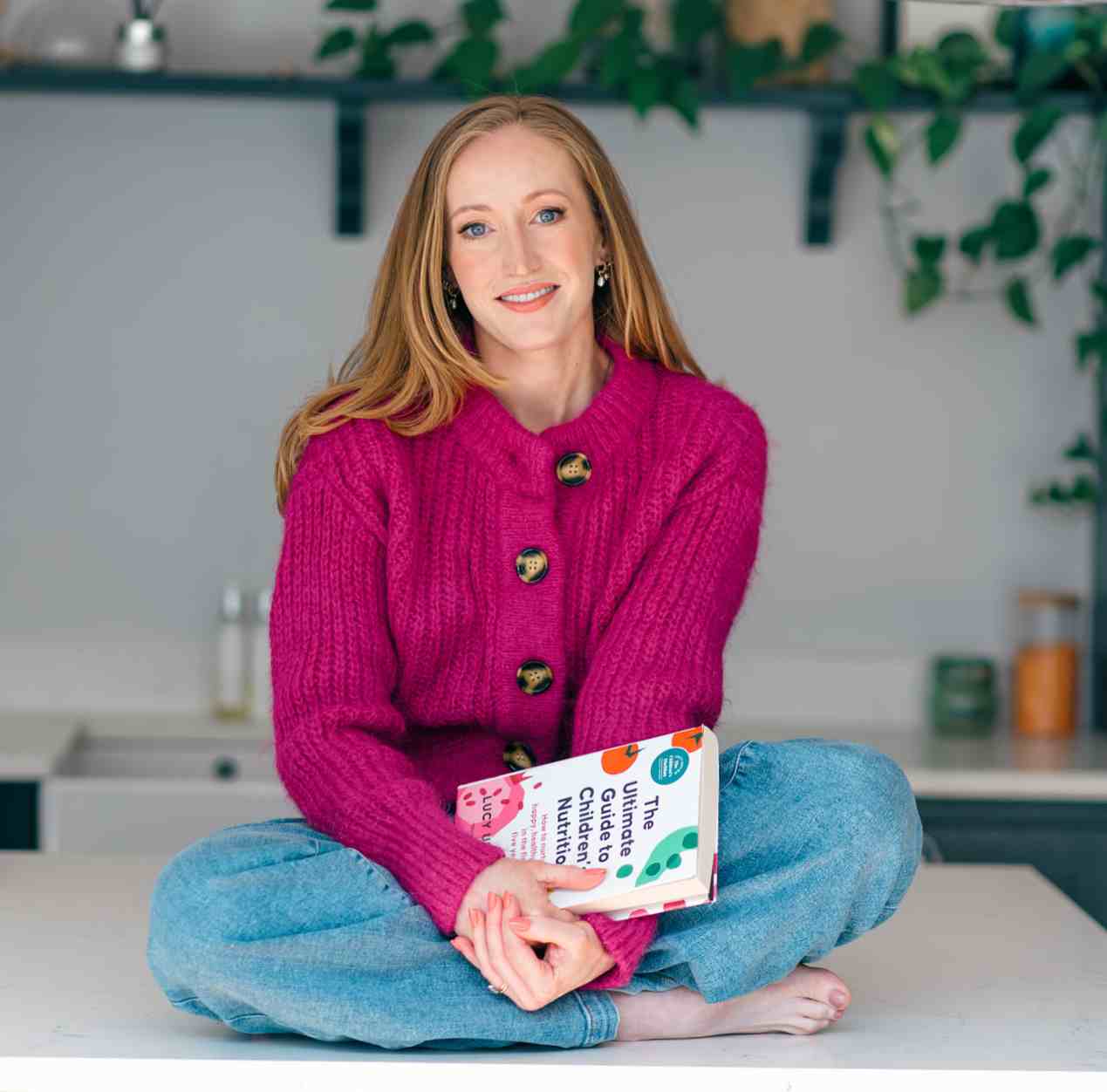
Lucy Upton, The Children’s Dietitian, is a leading UK paediatric Dietitian and author with over 15 years of experience. She’s dedicated to helping babies, children, and their families find joy and health through food, nutrition, and mealtimes while dispelling the overwhelming misinformation surrounding children’s feeding. Everything Lucy does is rooted in empathy, blending real-life mum experience with evidence-based advice.
Useful links in this episode
Lucy's website: https://www.thechildrensdietitian.co.uk/
Lucy's Instagram: https://www.instagram.com/childrensdietitian/
Lucy's Tiktok: https://www.tiktok.com/@childrensdietitian
Lucy's recent post about protein for kids: https://www.instagram.com/reel/DTQxei5DUto/
Episode Transcript - Is my child getting enough protein?
Joanne Roach (00:13)
Hello and welcome to the Food for Kids podcast. I'm Joanne from the Foodies.
These days you would have to live under a rock to have missed everyone trying to make you eat extra protein. There's protein added to everything. First it was just for athletes, then it was for older people and menopausal women, then it was sporty kids and now inevitably it's just growing kids full stop.
But how much protein do they actually need and how likely is it that your child is getting enough? When you're in this phase, you want reliable evidence-based information. So I asked Lucy Upton, the Children's Dietitian, back on to talk us through this topic.
Lucy's a leading UK paediatric dietitian and author with over 15 years of experience. She's dedicated to helping families find joy and health in their food and she spends quite a lot of her time online dispelling misinformation about children's food. So I thought she'd be perfect to sift through the facts and myths about children's protein needs. So let's hear that interview.
Joanne Roach (01:10)
Lucy, given the amount of information online about protein, loads of parents listening will be wondering whether their child's getting enough protein to grow well. How much protein do children actually need?
Lucy Upton (01:22)
So it's gonna depend on their age. What I would say, especially in younger children, toddlers and school-aged children, it's actually not as much as many people think. And we are told protein's very important for children's growth and development, which it is, but relative to their body size, they don't need loads and loads. So a one to three year old, so if you've got a toddler like I do at home, they need kind of somewhere between 13 to 15 grams of protein a day. Our primary school kids, they're going to need a little bit more. So four to six year olds are closer to 20 grams a day. I mean, like official figures are like 19.7 grams. And I'm like, let's be realistic and sort of just round it up. Your seven to 10 year olds are getting closer to 30 grams a day.
And then your teenagers do need more. And that's, that's unsurprising given how rapid growth is and any teenage parents listening will know that there is that switch where suddenly they're eating you out of house and home. And the thing to remember about children of all ages is to support growth, we do need compared to the amounts of calories, so energy a child's consuming, we do need at least a certain percentage of that to be protein to optimize growth. So when you hear the requirements for teenagers, which is sort of closer to around 40 ish grams for girls, moving up to 50 grams when you move towards 15 to 18 years. There's small differences between boys and girls, but 40 ish grams 11 to 15, 15 to 18 upwards is closer to 50, 55 grams. It kind of makes sense because their energy requirements are so high. Like you know that teenage boys often need in the thousands of calories, you know, sometimes two and a half, three thousand calories a day. So that protein there is very representative as comparable to energy requirements.
Joanne Roach (02:59)
It's not like you have to put in these enormously high protein foods because they're going to just be eating an awful lot of food anyway.
Lucy Upton (03:04)
Exactly that. I think again you hear those numbers and you think well actually that's quite a lot protein but when you think about the volumes that are then being consumed of their foods, it's still easy enough to meet their protein requirements.
Joanne Roach (03:16)
Listening to all those figures, I think they're probably all lower than most people are thinking. Most of the media we see about protein's from influencers talking about the 100, 120 plus grams a day sort of level. So I think to hear that children only need between 13 and 55 ish grams depending on their age, will probably be pretty reassuring.
Lucy Upton (03:33)
Yeah, absolutely. And I think there is this focus, particularly in young boys who want to keep fit and they want to go to the gym. And of course, you do need a good amount of protein to support protein synthesis, muscle synthesis, that sort of side of things. But also how do we make sure we're not also displacing, like hyper-focusing on one nutrient and ignoring the rest. When I think about the teenage years, I'm not often thinking about lots of protein. I'm probably thinking about the really high requirements they have for things like calcium and iron, fibre, lots of other sorts of nutrients that we know that teenagers more often fall short of and
how we plug those gaps.
Joanne Roach (04:06)
Having worked out what they need, how hard is it actually to get those things into the diet at different ages? So for an average child who's eating a reasonable range of foods, they're not the world's greatest gourmet, but they're also not super picky, they're somewhere in the middle. How much will they be getting through the day from normal foods and where would they be getting it from?
Lucy Upton (04:25)
So what we see from the data and certainly what I see clinically, I can't tell you the last time I saw a child who was well and as you say, eating, not hospitalized, not acutely unwell or anything like that, not really meeting their protein requirements. And I think actually, when you look at certain groups as well, we’ve got data that shows that, to give toddlers as an example, they consume typically three to four times the amount of that protein requirement. Now, if we three to four times the 13 to 15 grams, we're heading towards the adolescent requirements. So most kids get enough, but we have data that shows lots of children get more than enough protein. And it is not something that we worried about for most children.
I think people are always surprised where protein comes from. When you think about that traditional Eatwell Plate and what you're taught in terms of where does protein come from, of course, very protein rich sources are those obvious foods, meat, fish, eggs, beans, nuts and seeds. But we know that protein comes from other foods. It comes from whole grains. It comes from dairy. Loads of kids consume a huge amount of their protein every day from the milk that they're drinking, the yogurt that they're having, the cheese in their sandwich, the oats that they're having for their breakfast. If I was to do a smallish slice of wholemeal bread with some baked beans and cheese, that's nearly completely met a toddler's protein requirement for the day. They haven't eaten anything else.
Lucy Upton (05:52)
You know, they might have a little portion of cheese or a yogurt at snack time. They might be having their porridge or their Weetabix in the morning. It adds up really, really fast across a range of foods. And it's not just animal foods, it's plant-based foods, including those whole grains, beans, pulses, those sorts of things too. The hummus that they might have in their sandwich or to dip vegetables in. It adds up very quickly. So it might not be like, boom, there's this one whole chicken breast of 20 grams of protein. But when you add it up and I'll always talk about balance over time as well, rather than just specific meals or specific days. even if you have a kind of lower protein day for whatever reason, or they were poorly, the chances are they're more than catching up for that elsewhere. So it creeps in a lot easier than we would give it credit for, I would say.
Joanne Roach (06:40)
Okay, so that's helpful because I think a lot of parents, see their children going through that phase where they don't really want to eat meat or fish because they're quite difficult textures. right?
Lucy Upton (06:48)
Yep. We're in that phase. Yep. Yep.
Joanne Roach (06:50)
And obviously a lot of children sometimes have issues with eggs, with the texture of eggs.
Lucy Upton (06:56)
Yeah, or allergic. Like I see lots of allergies.
Joanne Roach (06:56)
And so obviously for plant-based families, they will be looking at their diet and making sure that they're building things in. But for kind of omnivore families where the adults rely on meat or fish for their main protein sources, they can get very worried when their child starts not wanting to eat the meat on their plate. So from what you're saying, it sounds like they shouldn't be worried about those items not being taken up so well.
Lucy Upton (07:18)
I tend to shift the nutrient focus. I see lots of children in clinic who are going through more selective phases, might be less keen on meat. Whilst we will look at ways to try and optimize that and we can talk about textures and ways of offering these foods that might be better tolerated than like a chunk of chicken breast. Actually, protein is very rarely something I'm worried about. Bear in mind, I see children who are very selective. They might have less than 10 foods. I look at their diets, as I say, with a magnifying glass, And again, like you'd be surprised how quickly even just the protein from dairy and a range of carbohydrate foods
can add up quite quickly. Even the crackers, the oatcakes, the bread, you know, those sorts of things.
What I am often a little bit more worried about or will be paying some attention to is if we haven't got these typical protein rich foods, if there aren't any eggs, if there is minimal meat or fish, especially if they're not sort of having things like beans or nuts or seeds very often, I'm often thinking, okay, where's this child getting key nutrients like iron? Where's the iron, zinc, like where are the nutrients that are within those foods being sourced elsewhere? Or do I need to think about supplementing them in children who are much more selective?
So I will then be thinking, where else can I get those nutrients from? Lots of children won't just suddenly say steak's their favourite food the next day or re-accept the bolognese. And we might be thinking about other ways that we can get iron into their diet or other ways we can offer those protein rich foods like eggs.
I'll often say add an egg to porridge. Blows everybody's mind. They're like, isn't that like scrambled egg in porridge? Not if you do it carefully. If you either whisk it into the milk before you start cooking your porridge or let it cool down a bit in the end and whisk it through very quickly, you wouldn't even know it's there. It just makes it a bit silkier. So I love an egg in porridge or you know an egg that can be added. So if your child likes things like toast, will they have eggy bread? Can we add an egg to things like white sauce? Again, it just makes it silky a bit creamy. It's a like the top of a moussaka.
But often I I won't be shy of turning to fortified foods. so many cereals, you know, they get so demonized these days, but actually Weetabix, Ready Brek, actually a wide range of the cereals that are on offer for children, they do often fortify those foods with iron. There's a nut butter, a peanut butter actually that Marks and Spencer's do, I'll caveat with buy it on offer. Actually they add iron and zinc to that. So again, I've got lots of kids who will be okay with peanut butter or they're quite happy to have it mixed into again, their cereal, their porridge, maybe their yogurt, have it on toast, that sort of thing. So we'll look at adding those foods in. Whole grains, things like oats, I keep wanging on about oats, but they're brilliant source of fibre. Actually, you know, 30 grams of oats is close to four grams of protein. There will be a little bit of iron and zinc in there, but actually if you add in a tablespoon of like ready oats or Ready Brek you've got a way of sort of boosting that up.
And then I'll be thinking probably quite holistically about how else can I optimize, the really good sources of these. How can we think about a way that maybe meat or fish or nuts and seeds be included in a child's diet with ease?
I have to say I'm a big fan of seeds because I think they're so underrated. They're generally quite cheap. We love getting ours from Aldi and Lidl, like in mass bags. You can blitz them down to almost like a powder and mix that through a wide variety of foods, including savoury dishes, I would say. You can use them in baking, but because they're like sprinkles, lots of particularly young children who like the novelty associated with that will quite happily just chuck them on food. So we'll have them in the middle of the table like you might have grated cheese and we'll do cheese and seeds and let that be sprinkled on or we'll put it on the top of pasta bakes or we'll stir things like ground almonds or ground seeds through a pasta sauce or a satay sauce or something when we're cooking.
And actually, particularly when they're not roasted and they're not like a butter, the flavour of sort of plain old nuts and seeds not a very strong flavour. Even things like hummus, I love a hummus. You can make scones with hummus, literally just hummus and flour. You can make flatbreads the same way. If you're making a sandwich, a spread of hummus alongside their normal butter,
And for me, it's always about that like nutrition by addition. What are these little things we can be adding in? You'll know I love like a bean, a white bean blended into a cheese sauce for mac and cheese, or you know, anything like that. And I think sometimes it's just having a little bit of that sort of inspiration or being brave enough to make a change to a food that your child likes, you know. That might be more tricky in our kind of neurodivergent children who will be very aware of any small changes from a sensory or a taste or texture to food. But if we're not in that camp and our children aren't bothered about small changes to things, those sorts of things can make a big difference.
Lucy Upton (12:02)
And it is all that like nutrition by addition. I think sometimes it's easy to hyper focus on “how do I get them to eat the meat?” Well, we're going to work on that, but it might take some time for them to accept those foods. So in the meantime, let's look at what textures they eat, what foods they eat, what adjustments could we make to that? Lots of things we're talking about in terms of even plant-based additions are only going to be a beneficial thing for health because almost certainly they're adding in extra fibre, they're adding in antioxidants and a wide range of the other things that we know that plants do for us.
Joanne Roach (12:31)
Wheeling back to what you said with the actual requirements early on, a lot of these things that are only adding one gram, two grams, three grams, that doesn't take long before you've added up to a preschooler's needs during the day.
Lucy Upton (12:41)
It really does add up. Most children will be having three-ish meals a day and maybe two, our teenage probably three snacks a day. It adds up really fast. And even just things like a glass of milk, it's about nine grams of protein in a glass of milk. For my really busy athletic kids, it'll be one of the things I'll say is brilliant for recovery. You don't need anything special, just a glass of milk and a banana.
Joanne Roach (13:05)
Are there any scenarios where you would advise parents to get some support to make sure they're getting enough protein?
Lucy Upton (13:10)
There are probably higher risk groups. If you had a child who was highly selective and maybe also had multiple food allergies, so they couldn't have dairy, couldn’t have egg, they couldn't have fish, they couldn't have loads of nuts and sesame, actually what I do tend to find is we still get enough protein in, but I'm looking at that going, wow, there's quite a lot of nutrients I want to think about here. And if you add selectivity on top of that, actually that's really tricky for parents.
If there was any concerns about a child's growth, I'm going to look at protein as part of that picture. As I say, it's rarely a protein issue and normally it's an energy issue. And if I, if I can up the energy, I naturally up the protein and the two things come together.
And then obviously there's very specific groups of children who have higher requirements or might have certain diagnoses that require them to have higher protein intake. But clinically, I wouldn't expect those children not to have a dietitian anyway.
Joanne Roach (13:58)
But apart from those families that have got those specific needs, for everybody else, we should really on the whole, stop worrying quite so much about protein, just make sure our kids have got enough energy coming in and that we are thinking about that broad range for those other nutrients.
Lucy Upton (14:11)
Yeah, absolutely. I would say do not over worry about protein. Think about that balance over time and balance overall. And it's never a sexy Instagrammable kind of message, is it? But the reality is that we recommend a balanced diet for a reason.
Joanne Roach (14:31)
Hopefully you'll come away from that interview with a bit of reassurance that it's very unlikely that you need to worry about your child's protein intake. We all know we need to be presenting our children with a wide variety of foods to explore so that they have the best chance of taking in a fairly broad range of nutrients over time. At some phases, obviously this is harder or easier than others, but I think it's easy to get diverted off this common sense track by the guilt-inducing but very convincing information online about single macro or micronutrients. And as Lucy said, this can lead to us taking our eye off the big picture and hyperfocusing on one unnecessary element while other fundamentals fall by the wayside. That proverbial not seeing the wood for the trees.
So I hope this episode will help you to have confidence that you can zoom out from the focus on protein and go back to concentrating on the bigger picture of making meals that make your family happy, that have enough energy and variety, and that help your child to just enjoy eating together and exploring food.
Lucy has some great posts about this kind of nutrition question over on her Instagram feed so I'll link to that in the show notes. Do go give her a follow. I'll be back on Thursday with another episode. So I hope to see you then. And in the meantime, happy eating.
Episode Highlights - Is my child getting enough protein?
00:00 Introduction
01:10 How much protein do kids need?
04:06 Is it easy for kids to get enough protein?
06:39 Getting enough protein when kids don't like meat or fish
13:04 When do you need advice about protein intake?
14:30 Summary and outro
That was the episode where children's dietitian Lucy Upton, talks us through the question - does food affect children's sleep?
0 comments