

In this episode, paediatric sports dietitian Ellie King talks us through nutrition for teen athletes and sporty children.
-
Show notes
-
Transcript
-
Highlights
In this episode - Nutrition for teen athletes and sporty children
Today’s episode is for the parents who have sporty kids in their house and want to know if they should be doing something special with their food to help them.
You can’t scroll for more than a minute on social media now without seeing someone telling you to eat more protein, eat more fibre, eat your way to your exercise goals. Some of it is based in some nutritional science, lots of it is taken out of context and only really intended for professional athletes or serious weight trainers. And some of it is just plain inaccurate. But even if you manage to navigate which advice to listen to as an adult who does a lot of sport, how does any of it apply to child or teen athletes? Do you need to do anything different with food if your child is just sporty but not unusually so? If they’re in a serious team? If they train every day? Or if they perform at a high level? It’s easy to worry about whether you could be helping them more with their sport if you just knew what to do with their food.
Because there is so much inappropriate information out there, I wanted some one properly qualified to answer this, with expertise in both sport nutrition and children’s nutrition. I invited Ellie King on to answer your questions. Ellie is a Registered Paediatric Dietitian, as well as an accredited Sports Nutritionist.
Music "Happy Days" by Simon Folwar via Uppbeat
About the guest
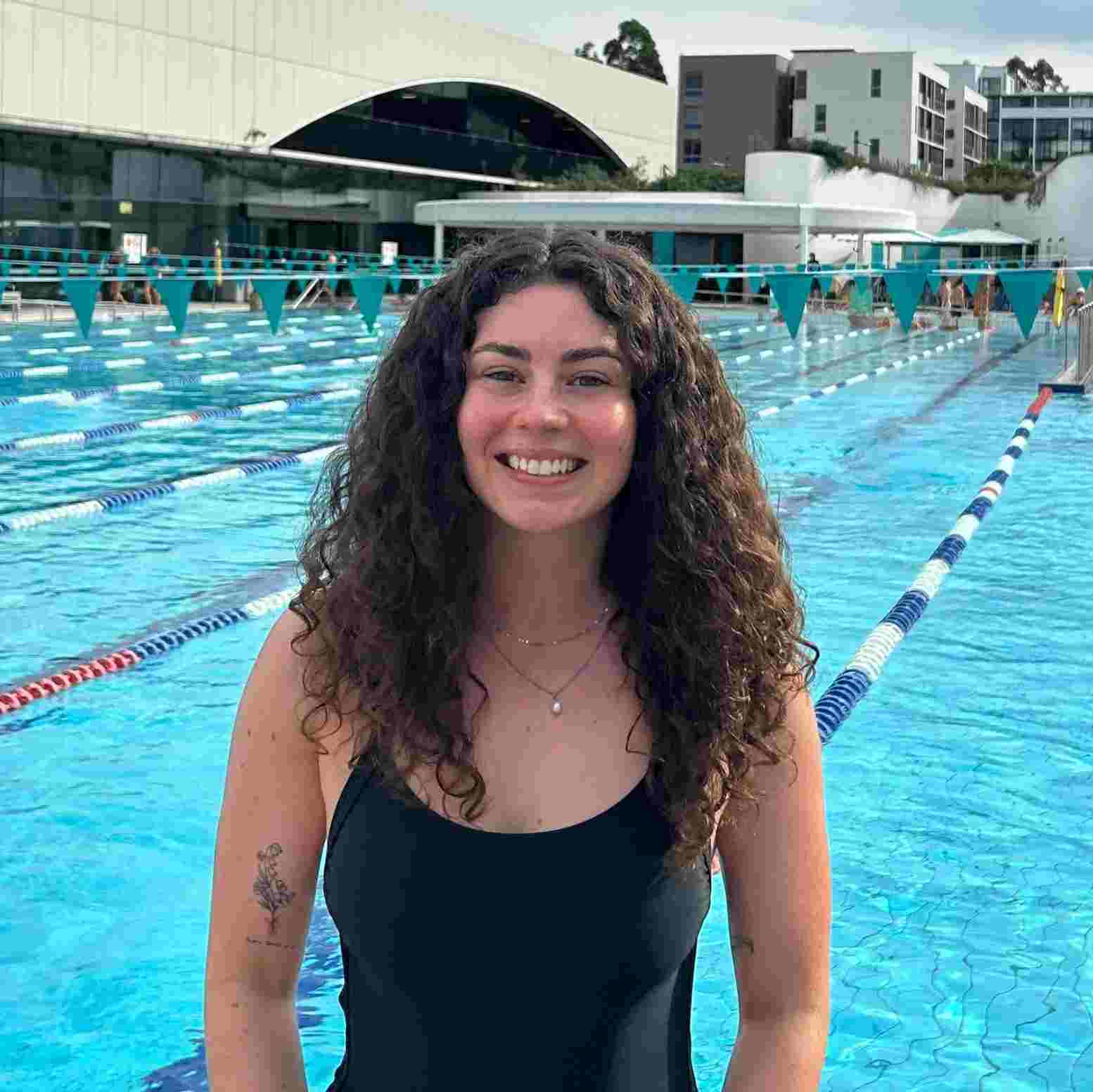
Ellie is a HCPC Registered Paediatric Dietitian, SENr Accredited Sports Nutritionist, and the founder of Fuel + Thrive Nutrition. Drawing from her background as a competitive swimmer, she helps adolescent athletes and sports families build practical, performance-focused nutrition habits that support health, wellbeing, and sporting success. Ellie combines clinical expertise with specialist sports nutrition knowledge and experience, translating evidence-based nutrition into realistic strategies that help young athletes fuel confidently and thrive in sport and in life.
Ellie has a three-tier coaching programme designed to help adolescent athletes and their parents build strong sports nutrition foundations following her signature FUEL+ Framework. Support is available through a self-paced online course, interactive group coaching, or intensive 1:1 specialist support, allowing families to choose the level of guidance that best fits their needs. Ellie also delivers sports nutrition workshops for clubs, teams, and schools.
Useful links in this episode
Ellie's website: https://sites.google.com/fuelandthrivenutrition.co.uk/unlockyourpotential/home
Ellie's Instagram: https://www.instagram.com/fuelandthrivenutrition/
Episode Transcript - Nutrition for teen athletes and sporty children
Joanne Roach (00:14)
Hello and welcome to the Food for Kids podcast. I'm Joanne from the Foodies.
Today's episode is for those of you who have sporty kids in your house and you want to know if you should be doing something special with their food to help them. You can't scroll for more than a minute on social media now without seeing someone telling you to eat more protein, eat more fibre, eat your way to your exercise goals and so on. Some of it's based in some nutritional science, lots of it is taken out of context or only really intended for professional athletes or serious weight trainers, and some of it is just plain inaccurate.
But even if you manage to navigate which advice to listen to as an adult who does a lot of sport, how does any of it apply to child or teen athletes? Do you need to do anything different with food if your child is just sporty but not unusually so? What about if they're in a serious team, if they train every day or if they perform at a high level? It's easy to worry about whether you could be helping them more with their sport if you just knew what to do with their food.
Because there's so much inappropriate information out there, I wanted someone properly qualified to answer these questions with expertise in both sports nutrition and children's nutrition. So I invited Ellie King on to answer your questions.
Ellie is a registered paediatric dietitian as well as an accredited sports nutritionist and the founder of Fuel and Thrive Nutrition. Drawing on her background as a competitive swimmer herself and her clinical expertise with that specialist sports nutrition on top, she helps adolescent athletes and their families to build practical performance focused habits that support their health and wellbeing, both in their sport and in the rest of their life. Ellie gave us some really helpful and practical answers for all levels of sporty kids. So let's hand over to that interview.
Joanne Roach (02:02)
So Ellie, social media is full of advice for adult athletes and so parents quite often worry about whether they should be doing some of the same things and advice for their active kids. So in a minute I'm going to ask you about kids who are performing at a higher level or higher frequency. But for a regular family, but where the child's just a bit more sporty than average. So maybe they go into two or three after school activities that are physical in a week, and maybe they have a weekend sporty hobby. Does any of the advice for adults work out apply to those kids?
Ellie (02:33)
So for most active children, a lot of the sports nutrition advice aimed at adults is unnecessary and sometimes actually quite unhelpful because children aren't just mini adults. They have a very physiology and they're still growing. So their energy needs fluctuate and their demands change massively throughout the week. So it's really important that we treat them like children and adolescent athletes rather than just mini adults. So for children doing a few sporty sessions a week, their priorities are actually really basic.
We just want to know if they're eating enough overall. They're having regular meals and snacks. They're eating enough carbohydrates because that's what gives them energy. They've got protein for recovery. They have good sleep and they have good hydration. That's pretty much it. A lot of them don't need supplements, protein powders, electrolytes, carb loading or complicated feeding strategies because for a few sessions a week, they don't really need that. Usually what they're eating is enough to fuel them.
Joanne Roach (03:25)
That's really helpful. that's kind of a regular active kid. But what if your child is performing at a slightly higher level? So they haven't been picked up by an Olympic pathway or a coach for something national where they would get nutrition advice built in. But say they're training several times a week or they're in an academy for something, but it's just not one of those sports where there's funding. Do they need something different? Should they be thinking differently when a competition's coming up? Where would they go for advice about that kind of thing?
Ellie (03:52)
Yes, I would say when training gets a bit more serious, the risk of things like injury or under fueling unintentionally increase quite a lot. So we just need to be aware so we can keep the kids healthy and keep them able to enjoy their life, their social life, their school, everything like that. So there is a little bit more planning that's needed, but not necessarily strict regimented things. So we just look at more structure around meals and snacks, we plan ahead better. We look at recovery habits and make sure they're consistent because small things over time make more of a difference than one dramatic change. We look mostly at carbohydrates because a lot of children are unintentionally not eating enough carbs, especially athletes because it's really, really important. And then we look at are they eating enough food overall to support their growth and then also support their performance in sport.
So the biggest issue, as I said, is accidental under-fuelling. Parents don't realise the amount of energy it takes like really sporty children. They could be using upwards of like 5,000 calories a day, which is a massive number. Cause they're growing a lot of them, like teenagers, they go through their growth spur. So that takes extra energy. Then them doing school, they're using the glycogen in their brain, which takes extra energy. And then they're also performing at a high level training before school, training after school, competing at the weekends. So we just need to make sure that their energy intake is matching their training load to keep them safe. I look at safety and health.
Competition nutrition, we need to be more mindful of it. So we need to make sure that they're starting their sessions fueled and hydrated. So they haven't gone in, skipped breakfast, skipped lunch. Then they expect to have a good training session because that's not going to happen. That's not going to produce enough energy at the end of the day to perform want to make sure they have easy snacks available. So we want carb based snacks because that's what gives them the energy for their training sessions. So snacks in the car, if they know they've got a tight turnaround between school and easy access snacks during a competition day, because sometimes they get decision fatigue and they don't know what they want. So snacks, like go-to snacks that we know that they like can be really helpful.
And also the most important thing is making sure they're practicing their competition day plans before a competition day. The golden rule is nothing new on race day because you don't want to try some new food and then it impacts this competition you've been training for for ages.
And in terms of looking for advice, so I'm a sports dietitian and to be a sports dietitian in England, you have to be registered with the healthcare professions council, so the HCPC and the SENR, which is the Sports and Exercise Nutrition Register. So both of those registrations can tell you that we've had adequate training. So we've gone to university, we've had a degree, we've done what we need to do to be accredited. And we're able to give evidence-based current up-to-date advice that is safe, because a lot of the things on social media are a bit rogue and they're to get clicks and likes and shares, but they're not necessarily healthy and recommended or directed at children, because things like supplements, they're recommended for adults but under 18s there isn't research so we try and find the food first strategies that would support their growth and performance long term rather than a quick fix now because adding an extra one percent when they're not doing the 99 percent beforehand isn't going to make much of a difference. So for children it's really important that we get the fundamentals in place first.
Joanne Roach (07:07)
Especially with the energy stuff, I think we have the idea thrown at us so much when it comes to sport. an average teenager is probably going to be burning through two and a half up to three thousand calories just having a life. You start adding training on top of that, then focusing on the protein to the expense of the carbohydrates. They just need some energy coming in. So those fundamentals are really important.
Ellie (07:09)
Yeah, yeah, you've got it spot on there.
Joanne Roach (07:29)
Thinking about after school activities, how long before an activity is ideal for a proper meal? Should you eat before? Should you eat what is a good pre-sport meal?
Ellie (07:39)
So according to the research, the ideal timeframe is a balanced meal two to four hours before your activity, because that gives you enough time for your body to digest it and do what it needs to do. So that could look like realistically they have a bigger lunch at school because they know they have training after school. So they'd have lunch, which would be four hours before, and then they'd have a top up snack and then they'd go training. That's how we try and fit it realistically around the school day.
But it's unrealistic that they get home from school at four, they have dinner straight away at 4pm, because likely they're not going to be that hungry then. And then they rush off to training and then they get back from training at nine. And then we're like, right, you need to eat more. And they're like, no, I just want to go to bed. Like that's really common. So we try and find strategies around that. But ideally two to four hours before an activity is the main meal and that's carbohydrates, protein. And we can have fats and fiber in there, but we want to keep it a little bit lower because the fat and the fiber impacts the absorption of the carbs. And then the snack, we kind of say 30 minutes to 60 minutes before, probably 60 minutes if your portion's a bit bigger, and that's carbohydrate based snacks. So something like a Squares bar can be good, a bagel, like jam on toast, that sort of thing. Can be grab and go, nuts or cereal bars are usually quite good. A smoothie, anything like that is a really good option. But again, in that pre-training snack, we want to keep the fat and the fiber low because it,
affects the absorption of the carbs. So they're not going to have the carbs as quickly available. Yeah.
Joanne Roach (09:03)
So for those weeknight activities that are more like five or six o'clock, there's no chance of you getting in a proper meal before that. So you are thinking about making sure that lunch was a good lunch and that they have a really good snack before they go that's going to fuel them and then aim for dinner after the activity is more realistic.
Ellie (09:17)
Yeah. And if they've got like a two hour gap, maybe between finishing school and training, they could have something a little bit bigger, like beans on toast. Cause then that's carbs on carbs. And then as they're in the car on their way to training, they could have a Squares bar or something like that. And then that would keep them topped up. So you've had your good lunch. You've had a boost after school, and then you've had another boost just before the training. That's the ideal scenario, but we’re looking at over the week, have they managed to get nine out of 10 of their snacks kind of thing? Like it's not every single day if they can't get it. It's not the end of the world, but we're looking at the compounding over time is going to have the impact.
Joanne Roach (09:52)
So in those scenarios where you are really basing it on the snack that you can have between school and an activity, especially a lot of the times they're being picked up and taken in a car straight to something. So have you got any other suggestions for snacks that they can eat in the car or on the go?
Ellie (10:07)
Yeah. Yeah, so for busy families, portability is what's really important. So food, as you said, that can be eaten in the car or kept in a sports bag can be the difference between fueling properly and not eating at all. So I'd rather they had something than nothing, because nothing's not going to give them any energy at all. So we're looking for easy to digest that provides quick energy that doesn't leave them feeling too full. So that's why we say less fat and fibre because that's what increases fullness.
So things like dried fruit or a banana, toast if they can, bagel, so like a jam, peanut butter bagel, something like that. Crackers, rice cakes, a smoothie. It can be a shop bought smoothie or homemade one. Doesn't really matter. Something like overnight oats can be quite good, or it can also be, I've said to some of my clients before, in the door pockets in the car, just keep mixed nuts, cereal bars, anything you can just grab and go. I also say to some of my families, keep a grab bag in the boot of the car. It could be a cool bag with some snacks. It could be the UHT milkshake. So you've always got an option in there.
Some children have a preference for how their food is offered, so if they prefer hot foods, then have a flask and a fork, that kind of thing. If they like sauces, keep little sachets of sauces, napkins, like baby wipes, things like that, it just creates so much less stress around fueling. And that's what we're trying to do. We're trying to put in the strategies that reduce the stress around it because we don't want it to become a big thing. Because if “you haven't eaten your snack”, may in the future become an issue. So we try and keep it very casual, very chill. Oh, it's here! And the parent's job is to offer it. It's the kid's choice if they eat it or not, because that's on them. We want to encourage their autonomy.
Joanne Roach (11:39)
Yeah, so it feels more like “here's some snacks”, rather than “here's the thing you must do for me to allow you to go to your sport”.
Ellie (11:44)
Exactly. Exactly.
And if parents know what snacks to offer, then they're giving the children positive choices because anything they choose from that option is a positive choice. So that's how I like to frame it.
Joanne Roach (11:54)
And then you talked about making sure that it's carb heavy and low on the things that slow it down before a session. But then afterwards, you talked about recovery. What are some good things to eat after doing some sport to help their bodies to recover well?
Ellie (12.08)
Yeah. So for recovery, a lot of people think it's just protein that's important, but it's actually carbohydrates. So we want to make sure that we have carbs and protein after sports. So I usually say something like chocolate milk. So the research showed that a chocolate milkshake has a really good ratio of carbs, protein, electrolytes, and fluids, which are like the four main things we need to replenish after activity. So something like that is really good or something like yogurt and fruit and granola, that kind of thing. Beans on toast again, put some cheese on it, add some extra energy. A smoothie. The idea is that we get something in quickly. So I used to be a swimmer. So when I'm getting changed swimming, I would have my milkshake and then I'd go home and have my dinner. But I've kickstarted that recovery early on to help my body replenish. Cause you have sort of a window for optimal recovery. So that's why we say get the carbs in so your glycogen stores can be replenished quickly.
And it buys you a bit of time to then have a meal that you would enjoy a little bit more. So carbs are so important for everything. So important. I will talk about carbs all day. They're my favourite. But carbs and protein afterwards.
Joanne Roach (13:10)
So when parents speak to you, parents of athletic kids, what do they usually want to know? And is that what they actually need to know? What do they actually need to know?
Ellie (13:19)
One of the main questions I get from both parents and kids is what supplements should I be taking? Without fail every day I will get, can I have this supplement? What about this? What about this? And my first line is they're not recommended for under 18s. They're not tested in under It's not worth the money. A lot of it is just you're throwing money away and you may as well focus on getting the fundamentals in. So… Are they eating enough? Are they eating the right foods? Have they got their nutrient timing in first? Are they recovering well? Because having a supplement that's going to give you 1 % extra is not going to make a difference.
But people don't see that because that's the message that's pushed in social media. So when they're constantly pushing, you need creatine. No, you don't. Not as a child. Maybe as an adult when you can make your own decisions, but as a child, it's not recommended. It's not tested. You're better off just eating it. You know, you get creatine from meat. You may as well do that. And when there's like vegetarian or vegan athletes, again, you can get everything you need from food. You don't have to take supplements, but that's why you'd work with somebody that's trained and accredited in order to help support you to do that because it can actually be quite tricky if you're not aware of the things you should be doing.
Joanne Roach (14:30)
I found that very reassuring that for the vast majority of sporty kids, apart from making sure they've got enough energy going in, there really isn't anything special you need to do in their diet that isn't part of the balance they should be getting for general wellbeing anyway. And that we do always need to bear in mind that kids are not only doing their sport, but they're also growing at the same time. So their need for fuel is going to be huge.
Comparing them to adults who have stopped growing is not helpful. And as Ellie said, you can easily end up trying to do the right thing, but leave them with nowhere near enough carbohydrates to fuel their body to do what they need to do.
That's why if your child does fit into one of the categories we talked about where getting advice from a professional makes sense. So if they have special diets or they're performing at a high level, then it really is important that you make sure that the person you see is not only trained on sports nutrition, but also in children's nutrition. Otherwise they could end up advising strategies that work fine for their adult clients, but could lead to injuries, exhaustion or underperformance for your child.
If you do think you'd like some advice for your sporty child, you can obviously see somebody like Ellie for one-to-one coaching and I'll link to her website for that. But if one-to-one is not appropriate for you, Ellie also has a self-paced online course that goes through all the basics
as well as an interactive group coaching program. I'll pop the links for all of those in the show notes, as well as Ellie's Instagram, where she posts lots of practical things for teen athletes.
That's it for today, but I'll hopefully see you on the next episode in a few days time. And in the meantime, happy eating.
Episode Highlights - Nutrition for teen athletes and sporty children
00:00 Introduction
01:59 Does online sports nutrition advice apply to sporty kids?
03:25 Nutrition needs for serious child athletes
07:29 How long before sport should a child eat?
09:52 Suggestions for on the go sports snacks
11:54 What to eat after a sports session
13:10 What parents of sporty kids most need to know
14:29 Summary and outro
That was the episode where paediatric sports dietitian Ellie King talked us through nutrition for teen athletes and sporty children.
0 comments